Search in this site

1/19/13

Keep Your Dog Cool in the Summer

School holidays, green grass, blue skies, and warm weather. It is a welcome change after the cold, rainy, and barren winter.

The dogs are dozing, the people are dozing, really everyone is just enjoying the season for lazy and sleepy days.

However, as the temperature rises, it goes from pleasantly warm to unpleasantly hot; then sticky, sweaty hot; then sometimes, awful, scorching hot. If it feels bad for us, imagine what it must feel like for our dogs who always have their fur-coats on!

Dogs have more trouble staying cool than humans do. Because of their thick fur, they mainly dissipate heat through their paws and underbelly. Dogs also stay cool through panting.


Why is my dog always panting?

My dog is always panting! He has water, most of the time he is inside, but he is always panting. Can you give me some insight on what to do? Thanks, E.F.

Dear E.F.,

Panting can be very normal for some animals, especially if overweight or intolerant of warm temperatures. If the panting is truly excessive, it may be an indication of a medical problem. The most common cause of excessive panting in dogs is pain. Unlike humans, dogs will hide their pain and can suppress it without crying out unless it is a sharp, sudden pain. Back problems, hip and joint problems are very common in dogs as in people. Radiographs and a thorough physical exam as well as a complete history from you will be necessary to diagnose these problems. 


Fortunately, we have a wide variety of options to manage pain and treat arthritis in dogs so the long term outlook is usually very good. Another cause of excessive panting in dogs is a common disorder in older dog’s called Cushing’s disease. This is a disease that causes overproduction of the body’s natural steroids and can cause a variety of symptoms including excessive hunger and thirst, poor haircoat, panting, and a pot-bellied appearance. Blood tests will be necessary to diagnose this problem. Lung and heart problems can also cause excessive panting and would require an exam and radiographs to diagnose. It sounds like a trip to your veterinarian for a thorough exam and testing is in order for your dog.

How to Determine When Dog Panting is a Bad Sign

Since dogs cannot sweat profusely like people can, panting is the main way a dog can cool off and help regulate its body temperature. Although dog panting is normal after exercise or when the weather is warm, panting to the point of hyperventilating needs medical attention. A dog that suddenly pants heavily could be in pain or severely frightened, so the condition should be addressed immediately.

Instructions
1 Check for signs of heat stroke. Brachycephalic dogs, or dogs with short noses like pugs or bulldogs, are more prone to heat stroke than dogs with long noses, according to Mar Vista Animal Medical Center. Brachycephalic dogs may succumb to heat exposure even after mild exercise on a humid day, so they always need supervision when exercising. Other signs of heat stroke include extreme drooling or slobbering and sudden collapse. Get such dogs into a cool spot, cover them with a wet towel and take them to a veterinarian immediately.


2 Check for other symptoms of health problems. Since dogs pant when in pain, check for vomiting, diarrhea, distended abdomen, swelling, lameness or a seeming inability to lie down comfortably. Panting far more rapidly than usual accompanied with sudden lethargy, coughing and refusing to eat may be signs of heart failure, pneumonia or lung cancer, according to "The Veterinarian's Guide to Your Dog's Symptoms." The dog will need to see a veterinarian.

Dog Panting? why and what to do?

Dogs pant when they are hot, but heavy dog panting means something is wrong with the dog. It can be due to overheating (heat exhaustion), or if your dog pants even while resting, it may mean that he has some underlying health problem, such as a heart problem. This page looks at the common causes of excessive heavy panting in dogs and what you can do to deal with the issue.

As we all know, dogs pant when they are hot because they do not have as many sweat glands as we do. (The only few sweat glands that they have are on the pads of their feet.) Instead of sweating bullets like humans do, dogs cool themselves by breathing and panting. Therefore, it is absolutely normal that dogs pant on a hot day, or after chasing the ball several times in the park.


Also, the brachycephalic breeds (dogs with a pushed-in face such as the pugs, bulldogs, Boston terriers, etc.) are prone to excessive dog panting because of their small nasal passages and short windpipes. They need to work harder (pant more heavily) for heat reduction.

1/18/13

My Dog is Always Thirsty

Maintaining hydration is an important aspect of your dog's instinct to survive and stay healthy. Since water accounts for more than 60 percent of a dog's body weight, and because breathing, salivating, defecating, and urinating are all responsible for significant losses of water from a dog's body, it stands to reason that dogs need to take in a good amount of fluid each day from what they eat and drink. This is accomplished by a number of intricate feedback mechanisms that directly control a dog's urinary output and thirst center. Most average-sized dogs (around twenty-five pounds) will consume at least sixteen ounces of fluid in a day, either directly or as part of their food. Warmer weather and increased exercise, however, will put greater demands on them and require greater fluid intake.

A little extra drinking and peeing is usually not much to be concerned about. If you are noticing steep increases in these two important functions, however, it is probably worth paying closer attention.

What to Look For


Start by measuring the amount of water your dog is actually drinking in a twenty-four hour period. An average healthy dog drinks about 1/2 to 1 ounce of water per pound of body weight per day.

Causes of Excessive Thirst in Canines

Do you find yourself hearing the unmistakable flap of your dog's tongue in the toilet bowl far more often than ever before? Are there trails of perfect doggy drool everywhere, leading most notably, to the water dish? Are you unable to leave a glass of water on the table? You my friend have a dog with excessive thirst otherwise known as Canine Polydipsia. As annoying as a dog that just can't get enough water can be, this issue may not be behavioral, but medical. There are many causes of excessive thirst in dogs, some of which are serious.

First off, how much water is excessive for a dog?
The average dog needs 20-70 ml per pound of their body weight of water a day (example/ My 150 lb malamute requires 3,000 to 10,500 ml of water a day). To give you a rough idea of how much that is one cup equates to around 237 ml. (In my example that would be 13-40 cups of water!) I would increase this amount on hot summer day or after rigorous exercise.


Nobody knows your dog better than you, you likely will notice when your dogs thirst becomes excessive without measuring daily intake, but knowing what's healthy is helpful information none the less.

Watch For In Your Dog: Excessive Drinking

Dogs cannot tell us when something is bothering them, and I doubt that they would even if they could. Dogs are just not the type to go around complaining about things.

That's why it's important that we watch for signs and symptoms of disease. Generally, anychange in your dog's body, behavior, actions or routine is telling you something. Some of the signs can be quite subtle and easily overlooked or dismissed. Paying attention to early symptoms can save your dog a lot of suffering and give him the best chance for a successful recovery.

Today we'll take a look at excessive thirst/drinking.


I was talking to a friend about post-op issues her dog was having after an extracapsular repair of her ACL. During our discussion she mentioned that in the snow they noticed that her dog's urine was clear, with no color to it at all, and she asked whether it was something to worry about.

I asked if her dog was drinking a lot. It turned out that her dog had been unusually thirsty and drinking large amounts of water since her surgery three months ago!

Excessive drinking is a symptom that should be taken seriously.

What constitutes excessive drinking?
Any change in your dog's drinking or eating habits should be noted. Drinking more than usual without an obvious explanation—such as hot weather or exercise—should not be dismissed. Do you have to fill the water bowl more often lately? Does your dog urinate more frequently? Talk to your veterinarian.

Take it seriously. Depending on other symptoms, excessive drinking can be a sign of a number of conditions, including
  • Diabetes mellitus
  • Cushing's syndrome
  • Addison's disease
  • Liver or kidney disease
  • A potentially life-threatening uterine infection and other serious conditions

When in doubt, err on the side of caution. 


Early diagnosis can mean the difference between treatment success or failure.

Cat and Dog Skin : Itch , Scratch, Bite, -Lick!

Does your dog (or cat) have skin problems? Is it continually scratching, biting and licking at itself….and you don’t know why? Well, take comfort, you are not alone.

There are really six main reasons why dogs and cats will itch and scratch. The bottom line is... don't let them suffer! There IS a diagnosis to be made and then you and your veterinarian will be better able to select the proper treatment plan.

Itching and scratching in dogs: One of the most common calls made to any animal hospital in America goes something like this: "Doctor, I’ve got to get this dog in right away. He’s driving us nuts. All he does is itch and scratch, bite and lick and he’s keeping us up all night!"


My thought is that if the pet’s caretakers are being driven “nuts” by the dog’s scratching and licking, how awful must the poor dog feel?

Top 5 Causes Of Itching In Dogs

Dogs can become itchy and begin to scratch for many different reasons. However, allergies of various types are among the most common causes.

Canine Flea Allergy Dermatitis
An allergy to fleas is one of the most common reasons dogs become itchy. When a flea bites a dog, it injects a substance into the dog’s skin which causes the allergic response.

For a sensitive dog, one flea bite can make the dog extremely itchy.
One of the most difficult things to understand is that often no overt evidence of fleas is present even though a flea allergy is the reason for the dog’s discomfort. This inability to find evidence of fleas stems from the fact that only one flea need be present and bite the dog in order for the allergic reaction to occur.

In addition, dogs frequently groom themselves and remove the evidence of the fleas through their grooming behavior. Therefore, not being able to find fleas does not rule out a flea allergy as a cause of itching in a dog.

Itchy Dog? why

There are more than 500 different things that can cause your dog to be itchy. If your dog is scratching all the time it is important to find out what is causing the itch. This can be quite difficult. While there are many common causes of canine scratching, it can take quite a bit of detective work to figure out the culprit. Try not to scratch your dog’s itchy spot for him. Believe it or not, scratching the itch will only make the dog more itchy.

There are several things you can do to ease your dog’s itch while you try to figure out, with the help of your vet, what is causing the irritating itch.

How can I control my hyper puppy?

When I wake up in the morning, and when I come home from work at night, my puppy is so hyper and wild that I can't control him. I'm trying to use training commands, but he just won't listen. Help! 

Thanks to Disney movies and Norman Rockwell pictures, dog ownership is often seen through rose-colored glasses. And while I commend you for turning to obedience commands in your time of need, you might have more success giving them to a potted plant, rather than to your puppy.

Puppies (and dogs!) who spend many hours alone—confined or not—often get too little exercise and so are often labeled "out of control" or "incorrigible," while neither is usually true. They're perceived that way because when they're finally given attention and/or freedom, they celebrate joyously—in ways that dogs find celebratory. They race around, jump up, and take drive-by nips at anything in their path, while their humans, at a total loss, shout commands at them, hoping to make an impression and regain control.

Why is my dog so hyper?

Hi, I’ve had my cocker spaniel since he was about seven weeks old and he has been consistently…hyper. It seems that he has boundless energy. He goes for long walks in the late afternoons and plays all night. However, he won’t calm down unless we put him in a crate. I hate having to put him away, but he never stops moving or destroying property (which he only does when we aren’t looking). I’m not sure what the issue could be. I haven’t gotten him altered because I got into an argument with his other parent about whether or not to do it (I’m in favor, he is not) and I’m thinking this is part of the problem. Is it normal for a cocker spaniel to be so hyper active? Thanks – T.T.

Dear T.T.,

Some of the most common behavioral reasons that people give for admitting their dogs to the Houston SPCA are related to the dog’s energy level. “Too much energy,” “too active for children,” “too active indoors,” are some of the reasons for admission. T.T., I hope that your question reaches some of the people who are considering bringing their pets to the shelter for these reasons, so that they can learn that there are so many things that can be done to change “hyperactive” dogs into agreeable household companions.

Calm a Hyper Dog 2

Is your dog high strung and hyperactive? A hyper dog can be difficult to deal with on a daily basis. Here are some tips for making your dog more tranquil.

Dogs have unique personalities just as humans do. Some dog breeds are docile and laid back while others are high strung with loads of excess energy and enthusiasm. If you happen to be the owner of a dog who gives new meaning to the term “hyper”, you may need tips on how to calm a dog so you can restore tranquility to your home.
When dealing with a hyper dog, the most important question to ask is, “Why is my dog hyper?” Some breeds naturally have more nervous energy. This is particularly true of dogs in the working class such as the German Shepherd and Border Collie. These breeds need a great deal of exercise and focused activity to help to expend their considerable energy reserves. Smaller dogs can exhibit the similar high energy traits. Most people who have owned a Chihuahua can attest to their predisposition towards nervousness. If you live with a naturally hyper dog, the most important thing is to make sure he gets enough exercise. This can be in the form of a brisk walk several times a day or a fast paced game of ball or frisbee. Regular exercise can work wonders not only for your dog’s health but also for his high strung disposition.

How to Calm a Hyper Dog

Having a hyper dog is a dog problem with many possible causes and solutions. Many hyper dog problems stem from boredom and a lack of stimulation. So in order to address the dog problem, you have to assess the way you are interacting with your dog and the kind of activity your dog gets on a daily basis.

Here are some simple techniques you can try at home to work to calm your hyperactive dog.


Ignore the hyper dog behavior.


Dogs seek attention from you. By paying attention to the hyper dog during outbursts, you’re reinforcing the very dog problem behavior that you're trying to eliminate. The next time your dog is jumping or nipping at you in an overexcited way, give it a try -- no touch, no talk, no eye contact -- and see how you fare. You might be surprised how quickly the dog settles down.


Give your dog a job.

10 ways to help your hyper dog relax

My mutt has a few issues with acting overly excited.

He cries in the car. He is obsessed with his tennis ball. He whines if we’re visiting someone’s house and he’s feeling nervous. If we visit his favorite parks, he drools excessively and starts looking for a stick immediately. If we visit my parents, all his training seems to be forgotten as he pushes through the door knocking people out of his way.

This is not normal dog behavior and needs to be corrected. And unfortunately, this probably sounds like normal behavior to a lot of people because so many of our dogs act like this. Here are some things I’ve done or plan on starting with my dog to help him chill out. I hope you give some of these a try, too.
1. Walk my dog.
I’ve said it many times, but walking my dog is so important. I notice a huge difference in Ace’s energy levels if he’s had a walk. He is a different dog, depending on if he’s been cooped up or if he’s been able to run. I know it’s not an excuse for a dog to misbehave just because she hasn’t had enough exercise. But the less pent-up energy a dog has, the easier it will be to train her and encourage good behavior.


2. Before heading out the door, make sure your dog is calm.

1/15/13

Dog Training For Obedience - The Key To Raising A Well Behaved Dog

What Is Dog Training For Obedience Purposes?I, like most of us dog owners believe that dog training for obedience is an essential ingredient in any healthy human-dog relationship. But what exactly is dog obedience training, and why is it so important for you and your dog?

Obedience training is a general term which can be achieved through the many various dog training techniques (dog whispering, clicker training, positive reinforcement, marker training, collar and leash, reward training etc.). Regardless of which training technique you choose to employ or which dog training schools you frequent, this is what proper dog obedience training should accomplish:

Build or strengthen a close, healthy and appropriate relationshipbetween you and your dog.

Opens up a clear line of communication between you and your dog. This includes you knowing what to expect of your dog in all circumstances, and your dog clearly understanding and respecting what is expected of him/her.

Dog Training for Obedience lays down a set of rules or boundarieswhich educates your dog to become a responsible member of society. Including how to relate to other dogs, animals and people, basic manners and how to behave in any situation.

Establishes the groundwork which assists in preventing the development of unacceptable problem behavior - such as jumping up,barking, chewing, digging etc.

The Benefits Of Dog Training For ObedienceDog training for obedience is the very best thing you can do for the relationship you enjoy with your dog, this is why:

Basic obedience training makes life simple to your dog and eliminates confusion. Your dog will know his place in the world and understand right from wrong. Dogs seem to really appreciate and thrive on this black and white view of the world.

Fun and rewarding for both you and your dog - for me, this is what it's all about!

You'll have a happy, relaxed and confident dog who you can take anywhere and will be a pleasure to be around.

Greater freedom can also be extended to your dog, as he'll be more trustworthy when obedience trained.

An obedience trained puppy or dog is a much safer dog. If your dog dashes out the front door you will still have voice control over him. You will be able to call on one of your obedience training commands such as "come" "down", "sit" or "go to your spot". This is very reassuring for any dog lover.

You gain trust and mutual respect with your dog. He understands what is expected of him and knows that you will always be fair and consistent with this.

When your dog is trained in obedience he will be fine around family, friends and kids under supervision.

Dog obedience training fulfills some crucial needs in your dog's lifeincluding exercise, mental stimulation, spending time with you and providing your dog with a "job".

Dog training for obedience greatly reduces the risk of being locked in a dominance struggle with your dog. You'll be his strong and always fair leader, who he'll respect and look to for guidance.

Obedience training is a step by step process which you build upon over time. It creates a solid foundation for your dog to learn additional skills and training commands. Throughout this process your dog will be gaining confidence along the way.

The Danger In Not Giving
Dog Training For Obedience
It's an unfortunate reality that untrained dogs are the major cause for puppies and dogs ending up in animal shelters all over the world. This is good for nobody, especially the poor dogs.

Your dog can't ever be really close with you and your family. By this I mean that your dog won't be involved in family outings, instead spending much of his time alone in the yard. This can bring on numerous behavioral problems and can be a real pest for you, and even your neighbours.

Your dog will be more unsafe around people, other animals and on the roads.

It is a common trait for untrained dogs to challenge your leadership or authority. Obedience trained dogs will also try to test you out in this manner. But when you are proficient in obedience training you'll have the tools to deal with it.

Constantly (but not effectively) your dog will be yelled at and pushed further away from his pack (you and your family). This is no way for you and your dog to live, and is totally avoidable with some simple obedience training.

General Rules For Effective
Dog Obedience TrainingYou'll find proven training techniques for specific obedience commands by selecting from the list below. These are some general tips to keep in mind that hold true in any dog training for obedience situation:

Praise and reward your dog when he does what you ask of him, give anappropriate correction when he doesn't do what he has been taught to do. The key is to find the right balance for your dog.

Don't expect your dog to just know this stuff straight away. Repetition of the command and the action is crucial. Believe in what you are doing and stick to it.

Always be consistent (this includes everybody who lives with your dog), make it easy for your dog. Give him a simple decision to make and make it clear to him which choice is acceptable and which choice is unacceptable - provide instant feedback.

Never correct or punish your dog for not doing something he has notbeen properly taught to do - be realistic and fair.

Make your training sessions short, sharp and fun - for you and your dog. This is where many dog training schools fall down.

Take it slow, master one easy command to start with then move on and build upon it. Continue to mentally challenge and stimulate your dog throughout the training process.

You're the best person to perform these tasks with your dog. Your dog has to live with you, you are his pack and you must be the person he looks to for leadership and who he respects.

Test or proof the obedience commands in different situations, places and with added distractions.

Incorporate obedience training into your daily routine - your dog could perform a "sit" before you give him his dinner, or a "down stay" when you go get the mail.

Never try to correct your dog if you don't catch him in the act of doing wrong, timing your correction is all important. A late correction only confuses your dog and doesn't make any sense to him.

Find out what motivates your dog, this will be an important tool in your training sessions. My dogs love cheese, liver treats and a throw of the ball.

Work with the natural drives and instincts of your dog - this is explained further within the articles below.

1/14/13

Tips for the First 30 Days of Dog Adoption

The first few days in your home are special and critical for a pet. Your new dog will be confused about where he is and what to expect from you. Setting up some clear structure with your family for your dog will be paramount in making as smooth a transition as possible.

Before You Bring Your Dog Home:

Thinkstock


Determine where your dog will be spending most of his time. Because he will be under a lot of stress with the change of environment (from shelter or foster home to your house), he may forget any housebreaking (if any) he’s learned. Often a kitchen will work best for easy clean-up.
If you plan on crate training your dog, be sure to have a crate set-up and ready to go for when you bring your new dog home. Find out more about crate training your dog.

Dog-proof the area where your pooch will spend most of his time during the first few months. This may mean taping loose electrical cords to baseboards; storing household chemicals on high shelves; removing plants, rugs, and breakables; setting up the crate, and installing baby gates.

1/13/13

About Puppy Training

Before you buy a puppy you must understand some basic training steps in order for your puppy to be well behaved from the day you bring him into your home. Follow the above links to find out about some of these basic puppy training steps. Most importantly never punish by hitting or harming your puppy in anyway. Bad behaviours should be ignored. This lack of attention is itself enough punishment for your puppy. Always praise your puppy for good behaviour with a treat, toy, or even just lots of attention. Puppy will soon realise why he is being praised and will continue with these good behaviours.

Puppy Maturity

Most dog breeds, puppies mature around the age of 12 months. There are breeds which take alot longer to fully mature, and who remain puppy like until the age of around 24 months. Owning a puppy takes alot of patience, you should be aware that you will have alot of puppy behaviours to deal with until they fully mature.
Maturity by Adult Weight – Although puppies grow and mature very quickly when compared to humans, it’s also important to know that not all sizes and breeds develop at the same rate. The smaller the breed, the quicker he/she will mature:

A small-breed puppy reaches adult weight by 9-12 months
A medium-breed puppy reaches adult weight by 12 months.
A large-breed puppy reaches adult weight by 18-24 months.


Bringing him home: 8- 12 weeks

Common Poisons to Dogs

Thousands of dogs (and cats) needlessly suffer and many die each year by accidental ingestion of household poisons. Dogs may have access to poisons both inside and outside of the home. Some of these include plants, foods, herbicides, pesticides, mouse poisons, medications, metals, and cleaning supplies.

HouseHold Plants: Both Indoor and Outdoor It is really important to be aware of what plants you have inside and ouside of your house. There are alot of plants that are poisonous to dogs, the severity of the poisoning varies on the plant and can cause sickness and diarrhoea with severe cases of poisoning leading to coma and death.
Dogs can be poisoned by plants if they eat or even just chew part of the plant, the flower, the bulb or the plant leaves. Flowers heavy in pollen can also drop pollen onto the pet’s coat, which could then be licked off and ingested by your pet.

Plants that are most popular in gardens/home but are poisonous to dogs :
  • Daffodil (especially the bulbs)
  • Castor oil bush (dogs love the seeds)
  • Cherry laurel (common hedging plant)
  • Laburnum (and related species)
  • Lilies / Lily of the Valley (especially toxic to cats)
  • Philodendron (popular ornamental house plant)
  • Azalea
  • Foxgloves
  • Ivy (some species)
  • Rhubarb
  • Yew

Bloat in Dogs

Bloat

Bloat is a very serious health risk for many dogs, yet many dog owners know very little about it. Please read the following information.

Bloat is seen most commonly in large deep chested breeds, as well as some of the medium size breeds. There does not appear to be any association with the sex or the age of the animal. It has been reported in young adults as well as fully mature dogs. There is no doubt it can occur suddenly after eating in a previously healthy dog.

What Is it?

The term Bloat is used interchangeably with the more scientific terms“Gastric Dilation Volvulus” (GDV) and “Gastric Torsion”
“Dilation” refers to the abnormal accumulation of air/fluid/foam in the stomach.
“Volvulus” and “Torsion” both mean the twisting of the stomach
Bloat can occur with or without “volvulus” (twisting). As the stomach swells/distends, it may rotate 90° to 360°, twisting between its fixed attachments at the oesophagus (food tube) and at the duodenum (the upper intestine). The twisting stomach traps air, food, and water in the stomach. The bloated stomach obstructs veins in the abdomen, leading to low blood pressure, shock, and damage to internal organs. The combined effect can quickly kill a dog.


Dogs in Hot Weather

During hot weather care should be taken with ALL dogs. Always have fresh water available. Always make sure they have shelter and shade to stay in. Never leave your dog in a car. Many people still think it is ok to leave their dog in a car if they leave the window down, DO NOT do this. Your dog could still quickly over heat and this could be fatal. There are still so many cases of dogs being found dead in over heated cars, here at dogs.info we want to stress dont leave your dog in a car! Even if you have a window down it is not enough to keep a car cool. Even if you leave water in the car it is not enough to cool your dog! If you park in the shade the car will still over heat, and as the sun moves the car may no longer be in the shade on your return. Even if your only going to be a few minutes out of your car, dont leave them, temperatures can soar very quickly.Be safe and dont take the risk!

Brachycephalic dogs
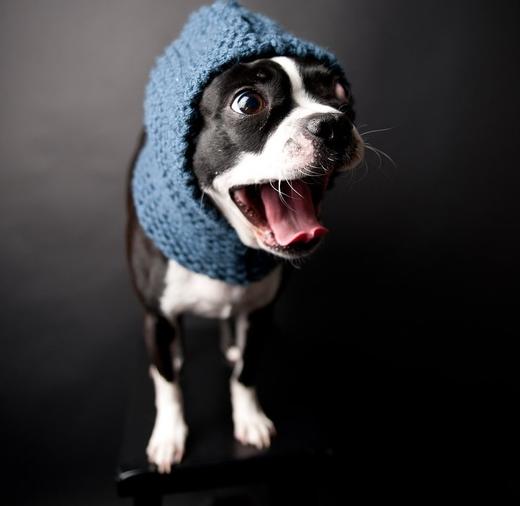
All dogs with “flat faced” nose and head structure are technically called “brachycephalic”. Dogs with this structure feel the effects of warm surroundings and exertion sooner than dogs with more typical nose and head structure. Brachycephalic dogs include: British bulldogs, French bulldogs, pugs, pekingnese, and boston terriers amongst others.

Can a dog be in front when doing something...

Can a dog be in front when doing something such as rollerblading, pulling a sled or cart and still consider the handler the pack leader?
Answer:
Yes, if you present it as a job, a dog can learn that tasks such as cart- and sled-pulling and even rollerblading means it is time to work. There are no happier dogs than those that are given jobs. Most breeds were originally bred as working dogs and they still love having a task to this day. When rollerblading, it is best if the handler can get the dog to run beside them. 


During specific times the handler can allow the dog to pull them, for example, up a hill. However the handler must be able to get the dog to fall back beside them on command. It is important that the handler is in complete control. The human needs to show the dog leadership before, during, and after the signal is given to pull, showing an air of authority. The dog will see it as a job. When they are finished the task the dog needs to go right back into the heeling mode and the handler should enter any yards and or gates before them.

the best way to help my dog overcome his fears

Question: My dog is skittish and afraid of a lot of things. What is the best way for me to help him overcome his fears?

Answer:
The best thing you can do to help a dog overcome its fears is to teach it to pack-walk. Walk him every day and ask him to heel and respect those around him. Showing a dog leadership will help him feel secure. Dogs really want to know what to expect, who is in charge and what the rules are. 


Giving a dog that type of structure is the best way to help him overcome a lot of unnatural issues. Do not feel sorry for the dog or he will sense your feelings and it will make him unsure. The humans around the dog need to be strong-minded so the dog can relax and not worry about who is going to lead. Learn how to speak dog so your dog understands you and you understand your dog.

how do I single out a specific dog?

I have more than one dog. Since it is not good to use a dog's name when correcting it how do I single out a specific dog?

Answer:
The reason you do not want to use the dog’s name when correcting him is because it is not good to associate a dog’s name with anything negative. A name should only be associated with positive things. When communicating with a specific dog you want to use body language towards the dog you are correcting. Think of yourself standing around a bunch of humans.


 There are ways to let a person know that you are referring to them without saying their name; the same holds true for dogs. Some of these ways include making eye contact, walking towards them, leaning towards them or pointing at them. Another method that some like to use is to give each dog a second name or pick a sound that you only use when that particular dog is being corrected. The name or sound should not sound like their real names yet they should associate it with themselves. Other humans and yourself should not use their “correction names” when you are calling them to come to you, asking them to perform a behavior, etc.

the difference between "training" and being a pack leader to achieve a healthy stability in a dog

Question: What is the difference between "training" and being a pack leader to achieve a healthy stability in a dog?

Answer:A dog can be trained to perfectly sit, stay, come, give its paw, dance, roll over and even more complicated tricks such as close the refrigerator and fetch the newspaper, yet still be unbalanced and dominant. When a dog learns a "trick" she often remembers it for life. 


Whereas, maintaining a healthy relationship with your dog where she is stable-minded, knows her place in the pack and is relaxed, happy and comfortable with life takes a certain type of lifestyle and commitment 24 hours a day / 7 days a week. Often, people will be having behavioral issues with their dog and hire a "trainer" when what they really need to be doing is hiring a "behaviorist." Training is teaching behaviors, the other is asking for a level of respect and satisfying the natural instincts of the animal within the dog. For more info, read infor behind:

Establish as pack leader with dog

Question: Once I establish myself as pack leader with my dog does this position stick for life, or is it something I have to maintain?

Answer:
Showing a dog leadership is a lifetime commitment, 24 hours a day, 7 days a week. It is not training, it's a lifestyle when living with a dog. You can lose your position at any time, at any age. A dog is constantly looking for the strongest being in the home to be leader. 


Instinct tells him that the packs life depends on it. In the wild when a pack leader gets old or sick another dog will take over as leader. This can happen at any time, at any age. The strongest beings are the leaders. That being said, if you have lost your leadership position or never had it in the first position, you can gain it back if you change your ways.

Can I get a high-energy breed

Question: I am not a very active person. Can I still get a high-energy breed if I choose a puppy that is not as active as the other littermates?

Answer:

When choosing a dog, picking a dog with an energy level that matches or is lower than your own is one of the most important factors to consider. If you choose a dog that is more active than yourself or your family, you will always struggle to provide what the dog needs to keep it stable-minded. If you do not consider yourself an energetic person it is not wise to get a breed that is considered high-energy. In a high-energy breed even the lower energy puppies within a litter will be energetic, just a little less, but still high.


Think of it this way, hypothetically. Let’s assume you have the energy level of the average person. Now think of a number scale from one to ten.

1 2 3 4 5 6 7 8 9 10

We will call the average person’s energy a 6 on the scale.

A low-energy dog can range from 1 to 3 on the scale.

A medium-energy dog can range from 4 to 7 on the scale.

A high-energy dog can range from 8 to 10 on the energy scale.

Therefore, if you choose a high-energy breed that is one of the less energetic in the litter, the dog may be an 8, however you will still be a 6.

How much affection should I give and how much should I play with my dog

Question: I just rescued a dog. How much affection should I give and how much should I play with it?
Answer:

If you have adopted an adult rescue dog it is recommended that you refrain from lots of play and affection until the dog gets to know you and understands her place in the pack. 


After you have had the dog for a day or more and you see the dog is well-adjusted and understands the order, during the times the dog is acting calm and submissive you can love on her all you want. You can also play with her all you want when she is submissive. It is just important that you as the human are the one who starts and ends the play. The more the dog is submissive, the more you can play with and love on her.

How do I balance this to keep the dog as a guard dog?

Question: If I am 100% pack leader will my dog still act as a guard dog if it is ever necessary? How do I balance this to keep the dog as a guard dog? I wouldn't want a person to get a free pass that broke in to my home.
Answer:
You can never take the guard out of a guard dog. no matter how submissive that dog is. If there is a threat all members of the pack defend. Also, since dogs can read the moods of other beings the dog will know if someone has bad intentions. 


A dog will not ignore that if they think you are in danger. The other point is, if you know for a fact that your dog is perfectly balanced and he starts acting out of the ordinary, that is, when you will know for sure that he senses something that is not quite right. As submissive as my Boxer Bruno is, he still will bark at the door if he sees someone coming down the driveway. 

I could possibly teach him not to bark, but I can never take the guard out of him because it is an instinct.

What is the best way to introduce one dog to another

Question : What is the best way to introduce one dog to another?
Answer:

The best way to introduce one dog to another is to pack-walk both dogs. Meaning, both dogs are walking together and heeling on the lead. This sends a signal to the dogs that they are not in charge; the humans are in charge and they are to follow the humans. I realize you cannot pack-walk your dog with all dogs you come into contact with, but consistently pack-walking your own dog will communicate to your dog that he is following you and looking to you for commands rather than the other way around. 


You should be going through all doorways and gateways before your dog as well, especially at the vet, and the dog should be heeling beside you while you walk him over to your seat. As soon as your dog begins to see you as someone to follow, he will respond to your corrections much quicker when you tell him to leave the other dog alone by giving him a tug on his lead and/or a verbal command.

Is it possible to get my own dog and raise my friend to be balanced even though the other 2 dogs in the home are not

Question: I live with someone who is not pack leader to his two current dogs. Is it possible for me to get my own dog and raise him to be balanced even though the other two dogs in the home are not?

Since they're his dogs I don't want to interfere with his methods, although I consider them wrong. My problem is that I want to get a dog of my own, but to show him that I'm the pack leader. I'm worried that it would be too confusing for my (the youngest) dog if older dogs are allowed on the couch/bed and he isn't, older dogs can pull the leash while on the walk, while he needs to walk beside or behind me, other two can go through the door and get attention first while he needs to wait to go through or get petted.

Answer:
In order for a dog to totally respect and obey humans, the humans around her need to be consistent. If you bring a dog into a home where one person does not display leadership you are not going to accomplish that leadership with the third dog. Especially if there are two other dogs in the home that are allowed to act in dominant or disrespectful manners. When humans and dogs live together they become one pack. If half the pack is not balanced the rest of the pack cannot be balanced.

1/12/13

I was told by a behavior specialist not to play tug-of-war with my dog. Why?

Question: I was told by a behavior specialist not to play tug-of-war with my dog. Why?
Answer:
Tug-of-war is not a recommended game for dogs because it is a dominance game. If your dog should win you just reinforced in your dog’s mind that he is in the leader position. It puts him in a dominance struggle state of mind. You want to get him out of thinking about being the leader, not play dominance games with him. When he is pulling he is fighting for the leader spot, while for you it is just a game.


 Sure, if you win, then you win, but if you accidentally let go then he wins and winning to him means something different than winning to you. Another important factor when playing with a dog is that you should only play with him when YOU bring HIM the toy; you TELL HIM when and where. You should be the one to end the game, not him. So if you see him getting tired then you must end the game before he does. Otherwise you let him make the decision and in the canine world the leaders make all the decisions.

Question: Why does my dog get mad and destroy things when I leave the house?

Question: Why does my dog get mad and destroy things when I leave the house?


Answer:


Sounds like a case of separation anxiety. Your dog is not getting mad when you leave. He is stressed either from a lack of exercise, a lack of leadership, or both. Followers are not allowed to leave the leaders and he did not give you permission to leave. Dominant behaviors always get worse over time if nothing is done to communicate to the dog that he is not the leader or he does not have an outlet to release his built-up energy. 


Read more about separation anxiety behind :

Separation Anxiety in Dogs

Your dog may look happy when you return, but in truth if your dog is excitable, he may be experiencing mental anguish, which is not healthy.

Did you know that separation anxiety is the second most common reason dogs are euthanized or given up by their owners?

Separation anxiety can occur in any breed and at any age.

Why has my housebroken, full-grown dog started peeing in my bed?

 Question: Why has my housebroken, full-grown dog started peeing in my bed?
Answer:


Assuming you have ruled out any health issues such as incontinence, this behavior would indicate that your dog is letting you know he is alpha in your pack. He is above you in the order and is marking on "his" bed. I would start looking into human-to-dog leadership and the amount and type of exercise he receives.


If one really understands dogs and how to communicate leadership to them one can get away with having a dog sleep on their bed with them. However, in most cases, I personally do not believe dogs belong on beds because in the dog world the leader sleeps in the most comfortable spot in the house. By letting a dog sleep on your bed most people unknowingly are allowing them to take the bed over. A follower would NEVER dream of purposely peeing in the place where the leader sleeps. Never...it just would not happen. If a dog is going to be on a human's bed it needs to be invited up onto the bed by the human and not jump up at its own free will.

What are the signs of a happy, stable-minded, submissive dog

Question: What are the signs of a happy, stable-minded, submissive dog? I walk my dog daily and am the pack leader. My dog is so calm I sometimes think he looks depressed.

Answer:

The sign of a happy, stable-minded, submissive dog is a dog that is not overly excited and that holds his tail low and is calm. It is not normal, nor is it healthy, for a dog to be so extremely excited that his tail is wagging a mile a minute and he cannot stand still. A dog that excited is anxiety ridden with excess energy. Your dog is not sad or depressed. 


Dogs are not like humans. They think differently because they are different. A wagging tail is not necessarily a sign of happiness. Dogs that are upset and stressed will also wag their tails. The dogs you see jumping around like crazy, running and unable to stand still are dogs that are not stable. Do not mistake this behavior as being sad or depressed and feel bad for him, or you will confuse your dog by giving off weak energy.

How do I get my rescue dog to trust me?

Question: How do I get my rescue dog to trust me?
She was found homeless and we were able to catch her using a tranquilizer. She has never growled, just runs away and won't let me pet her. She is currently in my fenced backyard. My other dogs really like her, however, and they get along great. She just will not let us humans approach her.

Answer:
She sounds insecure and not sure what to think of the humans. One rule of natural dog behavior is you cannot rush and force yourself upon insecure dogs. You are going to have to take it slow and not approach her head-on until she learns to trust you. Here is something you can do: Sit down in your backyard where the dog is. Place a bowl of tasty food a few feet from where you are sitting and read a book (or something). Do not make eye contact with the dog and don't talk to her. Just sit there quietly. Let her get used to you simply being there. Each feeding, move the bowl a little closer to where you are sitting. You can also sit down and toss something like tasty bacon her way. Remember, don't look directly at or talk to her. Just sit calmly and quietly.

My puppy is scared to walk out the door. What should we do?

Question: My puppy is scared to walk out the door. What should we do?
A few days ago we got a Boxer pup. He is now 11 weeks old and is a nice and humble fellow. One thing that worries us a bit: when we take him on walks, he seems to be terrified of the outdoors. He sits at the open door and just stares outside. We literally have to pick him up and carry him outdoors. Once outdoors, he acts like nothing happened, exploring and walking around just fine. How should we handle this?

Answer:
Your little fella just needs time. He is unsure and you cannot rush insecurity. Try coaxing him out using treats (positive reinforcement). Picking him up and taking him out the door will not get him over his fear; he needs to take the steps on his own. 


Be careful not to give any affection when he is scared or unsure, as it will increase his worry. He is looking to you to be strong for him, something to feed from, a strong leader. You need to be that leader for him and he needs to sense things are OK, that you have the strength to keep him safe. To communicate that to him you need to be confident and strong. He will feel it

What would cause my dog to get into a fight with another dog when he's never done that before?

Question: What would cause my dog to get into a fight with another dog when he's never done that before? I took my dog over to a friend's to play with her dogs like I have done many times. We never had any problems in the past. My friend’s dog had a deer leg and my dog wanted it and attacked the other dog. The other dogs that were also there joined in! Why would they do this when in the past they were always fine? They were all socialized from an early age, have been with other dogs before and have been treated with tons of love and affection. Have our dogs turned bad?

Answer:


Dogs live in the moment and at that moment the other dog had a bone and it became a dominance struggle as to which one was actually going to get the bone. Once a fight starts between dogs it is very hard to break it up because the levels of excitement are extremely high. The deer leg should have been taken away well before all of the dogs got together. If any of those dogs believed they were alpha it makes things that much worse. This is preventable by you yourself becoming 100% pack leader over your own dogs then learning the signs and stopping it from happening right BEFORE it happens—right when you see the first "look" from one of the dogs, and before the dog reacts, you give a correction to the offending dog. I recommend you tune into the Dog Whisperer on the National Geographic Channel. If you do not get that channel there are DVDs for sale on Amazon.com. Watching the show will help you pick up on a dog’s body language and understand what it means. My own dogs, as good as they are, got into a fight over a dead animal once. They both wanted it and I missed my sign that a fight was going to break out. My fault for not seeing it coming.

Because the dogs got into a fight over a bone does not mean they are "bad" or "dangerous" dogs. The humans around them need to learn how to read the dogs, how to be 100% leader and know the signs that something might happen. (For example, taking that bone away.) Dogs need leadership before they need love and affection. I suggest you start pack-walking all the dogs at one time to reinforce humans are alpha over them. All dogs must be heeling on the walks. At the bottom of that page there are many links to other helpful articles. 

What is the key to getting my dog to stop fighting with other dogs?

Question: What is the key to getting my dog to stop fighting with other dogs?
Answer:
The key to getting a dog to stop fighting with other dogs is proper communication. The dogs need to see the humans as 100% pack leader and the communication needs to be that the humans do not approve of them fighting with other dogs. I have a Boxer that used to attack other dogs. She did this for years. When she was about 6 years old I started watching the Dog Whisperer with Cesar Millan and from there started studying more natural dog behavior. I learned how to communicate with her in a way that she could understand. 


I told her that I was her leader and I did not wish for her to fight. It took a while for me to learn her body language, but when I did I was able to read her and correct her at the right moments. It's been years and she no longer goes after other dogs. Once in a while I see the look in her eyes and I simply have to give a verbal command at the right moment and she responds. The key is to learn how to read the dog, how to correct at the right moments and how to communicate with them in dog language that you are pack leader over them 100%. Tell them that fighting is against the rules. When they are convinced and so long as they are getting enough mental and physical stimulation to keep them from having bottled-up frustration, they will change and no longer pick fights. The humans need to be confident and strong-minded in order to convince the dog.

Is there hope for my dominant rescue dog to get along with my other dogs?

Question: Is there hope for my dominant rescue dog to get along with my other dogs? 

We have a rescued Akita who believes she is the alpha female. Her problem is with other dogs. She can't be near one without knocking it down and standing over and not letting them up. No blood yet, from either, just lots of noise. She is great around little people, adults and even cats. Just other dogs. Any chance of trying to socialize her now? Would really like to see her with our other dogs.


Answer:

How should I approach a dog I do not know

Question: How should I approach a dog I do not know? For example: you go for a visit and meet a dog that seems to be alpha in the house?

Answer:
It is best not to approach the dog at all, but rather ignore him and allow him to approach you. Don't touch him, don't bend down with your hand extended, don't talk to him, and don't make eye contact. If the dog walks over and smells you it does not mean the dog wishes to be petted.


 Dogs get a lot of information about someone by smelling them, and just because a dog smells you does not mean he wants you in his space touching him. Remain confident and strong-minded.

 If you are nervous, anxious or scared, etc., the dog will read your emotions as weakness and will be more likely to react in a dominant manner. If the dog jumps on you, the dog needs to be corrected by you. A jumping dog is a dog that is stepping into your private space, which is disrespect in the dog world

My dog is restless when he sleeps. He whimpers, sometimes yelps and/or moves around

Question: My dog is restless when he sleeps. He whimpers, sometimes yelps and/or moves around. What could be causing him to do this?


Answer:
You should have your dog checked by the vet. If there is nothing medically wrong with him then it may just be him having a bad dream. Dogs can have bad dreams when they have bottled-up mental and physical energy and frustration. Since dogs cannot speak to us and say, "I feel anxious inside" we humans often do not realize the way our dogs are feeling. Some questions to ask yourself:

Does your dog get a daily pack walk to satisfy the migration instinct that all dogs have? The proper way to walk a dog.

Does your dog feel he must take care of YOU rather than relaxing and letting YOU take care of him?

What breed of dog is known not to bark (or at least not much) when left alone

Answer:

It has more to do with the owners than it does the breed of dog. If you fulfill the dog's instincts, the dog, no matter the breed, will be less likely to bark. I know there are some breeds that may have a tendency to bark more than others, but it really has more to do with the human behind the dog. A restless dog is more likely to bark more. A dog that is well-exercised, tired and secure is going to bark less.


How do I earn trust with my newly rescued

Question: How do I earn trust with my newly rescued, skittish Min Pin?
I adopted a 2 ½-yr-old female Min Pin a week ago. I am alone with her. She is still skittish. I will call her to come to me so I can take her out to go potty, and she hides under my throw pillows, or under the covers, and if I approach her she runs away from me. She continuously tries to throw herself out of my arms, or tries getting tangled up in her leash. I am afraid I am going to hurt her.


 To me she acts as if her previous owners just continued to beat her. What can I do to get her to trust me and cooperate? I am even afraid to scold her when she goes to the bathroom in my house on the carpet because of the way she acts so scared. Any suggestions on what I can do to enjoy her more? She does follow me all over the house and will lie next to me on my bed or couch. I know she loves me but I just can't win when it comes to redirecting her.


Answer:


is it okay for the dog to comfort me

Question: Should I not get a dog if I cannot control my emotions, or is it okay for the dog to comfort me if 'I' call him to me?

Answer:

It is OK for you to get a dog if you are getting the dog so YOU can care for THE DOG, and while you are caring for THE DOG, it will comfort you naturally, as taking care of something else gives one a sense of accomplishment and may make you stronger. 


However, it may not be OK if you get a dog for the sole purpose of THE DOG being there to comfort YOU when you have anxiety. The dog will instinctually see you as weak and will "claim" you as his own. When dogs are allowed to claim humans it is dominancy, and negative issues almost always arise. Read The Human Dog to find out more.

Can a dog be left alone in an apartment for 8 hours

Question: Can a dog be left alone in an apartment for 8 hours while we are at work without causing damage and barking too much?

Answer:
If you are 100% the pack leader so your dog is secure when you leave him and you take him for a long walk that tires him out before you leave and another long walk when you get back, your chances are good that your dog will be fine. In nature dogs get up in the morning and walk to find food. 

So you if you simulate that by pack-walking your dog for a long time before you leave to tire him out and then feed him he will go into rest mode and should be OK until you return. It is important that you pack-walk him and not allow him to walk you. If you concentrate on exercise and leadership matching the needs of the dog, the dog should be fine. The higher energy the dog, the longer walk or even jog/run/bike ride the dog will need to go on. 

Placing a backpack on a higher energy dog helps to tire him out and give him a sense of a job to accomplish. A tired dog is a good dog. Dogs with pent up energy and that do not know their place in their pack generally are the dogs that act out. It is important that the dog heels on the lead so he sees you as his leader.

If your dog is restless when you leave and causes a commotion it means he has energy to burn and/or he is not secure with you being away from him. See Separation Anxiety in Dogs for more info.

Are there any dog breeds that can live in an apartment, yet make good jogging companions?

Almost any dog can live in an apartment, IF...and this is a big IF...they get enough exercise and the right kind of exercise. If you plan on jogging your dog, and as long as you can make the dog heel on the jog so the dog is not worrying about being your leader, but rather relaxing as he is following you, you have a very wide range of dogs to choose from. Most dogs in the shelters are there because their owners... ONE did not provide proper leadership and TWO did not exercise them properly. A big backyard is not going to cut it. So those people who live in an apartment who actually walk their dogs (assuming they make them heel on the lead) are often better off than those who are simply only let out into the fenced backyard for exercise. Dog park exercise is excited exercise and it is not recommended as the only source of exercise a dog receives. It keeps the dog in an excited state of mind.

why dog's ears go down around owner

I have a 4-month-old puppy whose ears stand up. Whenever she comes around me she puts her ears down but her tail is wagging. She likes me very much and gives me kisses. Can you tell me why her ears go down around me?

I have not seen your dog around you, but going by what you say without observing I can tell you that it is not necessarily a bad thing. A dog that is submissive of another being will slink themselves smaller and put their ears back. A lot of people misread dogs when they see them puffed out proud with their ears erect thinking it means the dog is happy, when in reality it is the way a dog who believes he is alpha reacts. If your puppy puts her ears back and lowers her head that is a sign of respect. The fact that her tail is wagging and not tucked under leads me to believe this is the case. Your pup respects you and it is a good thing. Keep being the pack leader that you are. Lowering the head, ears back and curling into a circle are signs of submission. A dog wants to know who is boss so they can be secure. The pup is acting towards you the way she would act towards her canine mother. Make sure you stick with showing her the rules so she can keep looking at you as her leader. It makes for a happy dog.

Don’t Pee Where You Sleep

“Oh great, here comes Bob. I wonder what MLM he’s going to try and sell me on now?”

How many of these people do you know? Everyone knows that Bob’s going to have a different Business-of-the-Week everytime you see him. And then he’ll proceed to try and make you join that system with him. It was an impulse buy for him and now he wants to spread the news to the world. Even worse, he’s doing if first to his friends and family.

I actually went forward with something similar once, and after a month, I was still at it. Meanwhile, the person who convinced me that it was the greatest thing since sliced bread, had already moved on to something else. That left a really sour feeling with me. It was as though he had made a really bad decision and was getting me to join in order to get his own money back. All of it was at my expense. It wasn’t one of my more expensive lessons, but it stuck with me.


It taught me that you should never take your friends or family for granted. They are a huge source of help and motivation throughout your entire life. Don’t jeopardize that for a quick buck.

I took the lesson to heart.

You don’t need to “sell” anything to your friends. Conversations should be a “pull” rather than a “push”.

When you’re online, you now have the ability to expand your circle of friends exponentially. The philosophy applies to them as well. Marketing should never be a numbers game. Its not a game, and people are not numbers.

I know you already know this, but like me, you probably need to be reminded every now and again.

Life throws you enough problems to deal with. You don’t want to come home and have to clean up a puddle of your own making.

dog gets jealous and wants to fight the other

Question:
I have a 3-year-old American Straffordshire Terrier and she is above and beyond the most loyal and loving dog I have ever owned. I take her everywhere I go and she is great with my 3 children. My problem is that I have gone to local shelters to find her a companion of the same breed but she gets jealous and wants to fight the other dog. Any suggestions?


Answer:

I suggest you tune into the Dog Whisperer with Cesar Millan on the National Geographic Channel (if you have not done so already). He shows over and over again how to get two dogs to get along. He deals with a lot of powerful breeds. What you do not want to do is just toss the dogs together face-to-face at the first meeting in a shelter environment where the dog you are adopting is most likely lacking in exercise and human discipline. Before you even consider a second dog you need to first master the walk with your first dog.

On the day of adoption take your first dog for a really long walk or jog so her energy is drained before she meets this second dog.

As for the second dog, that dog needs to be taken for a walk as well to drain her energy. Then you would have a second person with you at the time the dogs meet and pack walk the dogs at the same time. Do not just stick them face to face. Just walk and walk for a long time. Both dogs need to be heeling because if one dog is allowed to be in front that dog will instinctually feel he is the leader of the bunch and will try and dominate the pack. Correct any negative reactions the dogs may have towards one another. While walking you can allow the dogs to smell one another's rear ends if the dogs are acting civil. By the end of your walk the dogs will regard themselves as one pack and if the humans were successful in convincing the dogs the humans are the leaders, the dogs will not feel the need to dominate or be leader. You will need to find a shelter that is willing to work with you on that method. Unfortunately too many shelters do not understand this concept and a lot of dogs are put down because of it.

I highly recommend you watch a good number of the Dog Whisperer shows before proceeding so you fully understand the basis behind this method.
dog
Power by xinh xinh