
1/12/13
Is it ever ok for a dog to lie on a human?

owner'd do if they are emotionally upset and their dog comes over and lies on top of them?
Question: What should an owner do if they are emotionally upset and their dog comes over and lies on top of them?

Answer:
If you are having a bad day and are emotionally upset and your dog comes over and lies on top of you, be it your feet or lap, what does it mean? To the human it is very comforting. We feel that our dogs care and are trying to make us feel better. That's the human side of the equation.
What does it mean to the dog? Dogs do feel human emotion and since they are pack-oriented animals that need to know who the strongest being is so that being can run the pack, they see the weak as lower. It's instinct and there is nothing we can do to change that. A dog will pick up on a human's weakness and will claim that person as their subordinate by lying on top of them, be it their feet or their lap. Sometimes a dog will lick the person. In the dog world the leader is on top. The leader will often cover up the lower member by standing over them.
It is not realistic to say a human who owns a dog can never get upset. But it is a fact that when they do the dog will feel the human as weak. Different dogs will have different reactions. Some may become worried, stressed, anxious and/or upset because his leader is now weak and/or become empowered and try to "save the pack" by taking over. If you are emotionally upset and a dog comes over and lies on top of you, send the dog away back to his dog bed (or other area). Do not allow the dog to get on top of you. Try and take deep breaths and do your best to not be upset anymore. But to say you can never get upset is not going to happen, so you just deal with it when it happens and don’t allow the dog to be "in your face" or standing over you during that time.
Why does my dog hate it when I touch his food?
Your dog is not necessarily "hating it" when you touch his food. Nor is he being "mean." He is communicating with you. What he is saying is, "This is MY food. Leave me alone while I eat it." Is this a problem? You bet it is. It's a big problem. It means your dog is alpha over you. There are different levels of dominance and even if your dog has never bitten, always keep in mind that growling or the bearing of a dog’s teeth eventually does lead to biting. It is time you reassess your human to dog communication skills and take the alpha position away from your dog before it escalates into a larger problem.

What does it mean when a dog licks?
There are a few reasons why a dog licks.
A dog's saliva contains a healing agent and dogs often lick another's wounds in an attempt to heel them.
Dogs will also lick as a way to show submission. A submissive dog will hold himself very low, slinking himself down to try to appear smaller. He will approach a human with his head lowered and his ears slightly back as if to say “you're my boss.”

A dog's saliva contains a healing agent and dogs often lick another's wounds in an attempt to heel them.
Dogs will also lick as a way to show submission. A submissive dog will hold himself very low, slinking himself down to try to appear smaller. He will approach a human with his head lowered and his ears slightly back as if to say “you're my boss.”
Some dogs will lick another in a dominant manner. For example, mother dogs lick and groom their puppies and for the pups it is the mother displaying leadership. Mom says stay here and be groomed because she is alpha over them and she says so. Submissive licking and dominant licking have different body languages. A dominant dog will carry himself high and proud. He approaches things with an air of confidence. He may also be very persistent as to what he wants.
Sometimes dogs lick out of obsession. Dogs that lick others in an obsessive or dominant manner need to be corrected and the dog must be told not to lick.
Sometimes dogs lick out of obsession. Dogs that lick others in an obsessive or dominant manner need to be corrected and the dog must be told not to lick.
have dog on a leash?
Question I take my dog for off-leash walks and she does great. She was trained to heel on a lead and did really well in classes but since we only do off-lead walks she pulls like crazy at first when I do have to leash her up. Are our "free" walks doing harm; should I have her on a leash?
Answer:

Answer:
It's good to allow a dog to run free. However if that is all you do then the dog is not learning or practicing patience on a lead. I would not stop the free-roam walks, they are great, but for those times when you do need to leash your dog it is important that you teach good manners. I would start leashing the dog up at least a few times a week to practice lead walking, or even put the dog on a lead for only part of your walk in the woods just for practice. The dog needs to be trained that when you are free, you are free, but as soon as that lead snaps on you are to follow me heeling and not pull. I take my Bruno out to the woods and he runs and chases rabbits, etc...but as soon as I snap on the lead his entire demeanor changes and he knows it's time to follow.
You may want to bring the lead with you on your free walks. Put the lead on for a short time in the beginning and when the dog heels nicely for a bit make her sit and be calm, then take it off and allow her to go. Maybe even a few times until she gets the idea. I use my foot to backwards side-boot my dog in the butt below the tail if he starts to pull, but different things work for different dogs and owners.
Inside the house, practice making the dog sit calmly while you snap on the lead. At the gateway to the door practice going out the doorway first with the dog following. If you are on your way to an area where you can do a free-roam walk do not unsnap the dog's lead until she is heeling and walking nicely. Never unsnap her while she is pulling. You may have to take her out for some town walking for the socialization just so during those times she must be on a lead the dog is used to that type of environment. You need to convince her and condition her that when the lead is snapped on it means it's time to heel. It's going to take some time and a lot of work. But you can't give up or give in or the dog will learn to just keep pressing you in order to get her way.
remain alpha while dog is running free
Sometimes when I take my dog for walks, I let him run free. Can I remain alpha while he is running free?
I wanted to thank you for your site. I have a beautiful red-nosed Pit Bull. He's my baby. He's almost two years old, and he's been such a good boy. Lately he started growling at me and my girlfriend and I was getting worried I would have to get rid of him. After reading through your site it only took a few hours to get my alpha spot back. Even took him for a walk tonight and it was the 1st time that he's walked beside me. I thank you so much for the information.
I have one question. Over the summer I take him out every weekend to a spot where we have lots of open land. I keep him on a leash until we get out away from the road. Then I let him off his leash to run through the fields and the woods. He never goes too far from us and he is always checking to see if we are coming. If we change direction we just call him and he goes the way go. Once when a deer jumped up not too far from him, it took a couple of calls, but he stopped and came back. Is this OK to let him run and play out in the woods and fields?

Answer:
You are very welcome! I am very happy to hear you are now alpha. Your dog will love and respect you for it. Yes, that is OK to allow him to run free like that, so long as you are making the calls, not him. Make sure he is calm, and in a submissive mind-frame when you leash him up and when you take off the leash. If he is really excited when you are trying to take the leash off wait until he calms down. That is pretty important. You decide when he gets let off, you decide when he is to come back, and you decide what direction to go in. Change up on him often. So if he is ahead and he turns right, you turn left. If he runs back in your direction without you even calling him, that is even better; it shows he is following you. So long as he comes back when called and you are making all the decisions in the run, and you still take him for leashed pack walks to reinforce who is alpha in your pack, it is all good. I feel dogs need this type of, "off-lead, run your heart out" time.
When hunters go out hunting they must be the pack leader, but they are also in a situation while they are looking for the prey in which they are allowing the dog to use its nose to find it, which means the dog is walking where its nose leads, sometimes in front. It is a situation where the dog is working for the human and both dog and human know it, and they know the job at hand. When a lead is snapped onto a dog it is like you are connected. The dog at that point needs to heel. If you get to a gate that must be opened when walking off-lead you need to pass through before the dog. The dog has an understanding that you are allowing him to go in front so he can run and use his nose. This only applies if you are able to call him back and he listens, and when the leash is snapped on he goes into heel mode, because that means he understands your agreement.
I wanted to thank you for your site. I have a beautiful red-nosed Pit Bull. He's my baby. He's almost two years old, and he's been such a good boy. Lately he started growling at me and my girlfriend and I was getting worried I would have to get rid of him. After reading through your site it only took a few hours to get my alpha spot back. Even took him for a walk tonight and it was the 1st time that he's walked beside me. I thank you so much for the information.
I have one question. Over the summer I take him out every weekend to a spot where we have lots of open land. I keep him on a leash until we get out away from the road. Then I let him off his leash to run through the fields and the woods. He never goes too far from us and he is always checking to see if we are coming. If we change direction we just call him and he goes the way go. Once when a deer jumped up not too far from him, it took a couple of calls, but he stopped and came back. Is this OK to let him run and play out in the woods and fields?
Answer:
You are very welcome! I am very happy to hear you are now alpha. Your dog will love and respect you for it. Yes, that is OK to allow him to run free like that, so long as you are making the calls, not him. Make sure he is calm, and in a submissive mind-frame when you leash him up and when you take off the leash. If he is really excited when you are trying to take the leash off wait until he calms down. That is pretty important. You decide when he gets let off, you decide when he is to come back, and you decide what direction to go in. Change up on him often. So if he is ahead and he turns right, you turn left. If he runs back in your direction without you even calling him, that is even better; it shows he is following you. So long as he comes back when called and you are making all the decisions in the run, and you still take him for leashed pack walks to reinforce who is alpha in your pack, it is all good. I feel dogs need this type of, "off-lead, run your heart out" time.
When hunters go out hunting they must be the pack leader, but they are also in a situation while they are looking for the prey in which they are allowing the dog to use its nose to find it, which means the dog is walking where its nose leads, sometimes in front. It is a situation where the dog is working for the human and both dog and human know it, and they know the job at hand. When a lead is snapped onto a dog it is like you are connected. The dog at that point needs to heel. If you get to a gate that must be opened when walking off-lead you need to pass through before the dog. The dog has an understanding that you are allowing him to go in front so he can run and use his nose. This only applies if you are able to call him back and he listens, and when the leash is snapped on he goes into heel mode, because that means he understands your agreement.
How do I stop my dog from barking at things while on the walk?
As soon as you see your dog perk up as if he is going to bark the correction needs to be made. You need to try and catch him a second before he goes into a heightened state; timing is critical. You need to watch for signs of interest in whatever your dog is going to bark at and catch him right before he starts. Once a dog starts barking it is harder to make him stop because he is at a high level of excitement. The way you are feeling at the time has a lot to do with your success. If you are upset or anxious in any way your dog will feed from that emotion and it will intensify the dog's reaction to what he is about to bark at. You want to remain calm but very enthusiastic/serious.

The correction can be a tug on the lead, a touch to the neck, a backwards bop with the side of your foot to the butt of the dog, a verbal correction such as "No," "Hey," "Aaatttt"—whatever works for that particular dog. You may also walk in front of your dog to block his view, lean forward and say, "No" and touch him in the neck if he continues to want to bark. Your intensity needs to match his without going too much over or you could intensify the dog’s reaction, but on the other hand if your intensity is less than his you will not be effective and the dog will not listen. Each and every time you hear your dog growl or bark you need to correct it. The intensity of the correction will vary from dog to dog, situation to situation. For example, a little Chihuahua may only need a two-finger touch to the neck, whereas a big Rottweiler may need a backwards boot to the butt with the side of your foot; where other dogs may only need a verbal command, others may need a combination. Keep your dog moving forward, keep walking
dog finding a place to pee and poop
Question:
When I am walking my dog on a lead, is it okay to let him walk in front of me when he is finding a place to pee and poop?
Answer:

When I am walking my dog on a lead, is it okay to let him walk in front of me when he is finding a place to pee and poop?
Answer:
Yes, if your goal at the moment is to allow him to go to the bathroom, then you may give him lots of room and allow him to go where he wishes to do his thing. It's only during your actual 'walk' that the dog should heel. The person holding the lead should also go first through any entrance and exit-ways, be they gates or any doorways to your home or other building even if there is not an actual door in the threshold.
When do I start to walk my puppy?
When do I start to walk my puppy? Right now she only sits when I try to walk her... We made it around the block one day but that was it! Help?

Now is the time to teach her to follow you. She might not be the easiest dog to walk because she is so small but bring treats and/or a favorite toy and make it fun.
You will be teaching her to follow and now is the best time to start. After you get the actual walking down and the pup will walk while on a lead, which you can do by walking backwards with food in your hand as she tries to eat it, slowly begin practicing heeling on a lead. Teach her to not pass you (pack leader goes first); she should be following you.
That will be the foundation of your relationship. Keep it positive and happy. Food always helps. For those slightly older energetic pups that insist on pulling from side to side and smelling everything, keep working at it, do not give up. The time you put into these younger years will be well-rewarded when the dog is older and larger. Be aware of her energy level and what she can handle at this time. Meaning, don't OVER-walk her for miles and miles. Use your best judgment on the amount she can handle, but do walk her daily.
How do I calm my dog when it's time to put on the leash?
How do I calm my dog when it's time to put on the leash? When my dog sees a leash in my hand she starts jumping around and will not let me put on the leash properly. How do I calm her? She is too excited to listen to 'Sit Down.'
Answer:
You have to wait until she gets tired of jumping. Only reward her with the leash when she calms down. The first time you do this it may take a long time. Be prepared to wait patiently, calmly and quietly with the leash in your hand. Dogs only have so much energy and she will eventually stop jumping just because she is tired. When she is calmly waiting reward her by putting on the leash.

Answer:
You have to wait until she gets tired of jumping. Only reward her with the leash when she calms down. The first time you do this it may take a long time. Be prepared to wait patiently, calmly and quietly with the leash in your hand. Dogs only have so much energy and she will eventually stop jumping just because she is tired. When she is calmly waiting reward her by putting on the leash.
Is having a dog heel on the walk really such a big deal?
I have my dog trained to walk loose-leash and he's very, very good about following me and not dragging me along. I prefer this heavily because he gets tangled in our legs, so he walks ahead of us out of necessity. Is this really such a big deal for his sense of superiority?
Answer:
Yes it is. It's a huge deal. In the dog world the leader leads the way. I realize it is inconvenient for the humans, however if we are going to live with dogs and expect them to behave as we wish then we need to understand how to communicate with them.
Answer:
Yes it is. It's a huge deal. In the dog world the leader leads the way. I realize it is inconvenient for the humans, however if we are going to live with dogs and expect them to behave as we wish then we need to understand how to communicate with them.

Dogs develop behavior issues because we humans send all the wrong signals. A dog needs to be 100% sure the humans are able to take over the role as leader and keep their pack safe. By allowing the dog in front you are telling him that you wish him to be that leader. Read more about how to properly walk a dog so he does not get tangled up in your legs during the walk yet is still heeling on the lead.
Does my dog love me, or does he own me?
Question: Does my dog love me, or does he own me?
I have a question about my aunt's 2-year-old Miniature Pinscher. We bought the dog when she was just a pup, and I have to say she has grown exceptionally fond of me. I believe the reason is that when we brought the dog in, she was terribly scared and nervous, and I was the one who mainly kept her on my lap, patting her and making her feel comfortable. I remember I could feel her shaking like crazy, but after a while she stopped and became very calm. From that moment on, she was totally in love with me; even if she only sees me every 1 or 2 weeks, she's always overjoyed when I get to my aunt's house. Even though she's a lively and adorable pet, she doesn't treat anyone else in the family with the impressive affection she has developed for me. The dog is generally well-behaved, but it's obvious that she doesn't see my aunt as a "leader" and doesn't really follow anything she says. She has never really been trained.
We don't really have a big problem with that, the dog has a big house and yard, and it's OK if she does what she pleases, the only real issue is that she usually barks a lot and is very aggressive to strangers. Is it possible that the dog actually sees me as her "alpha," even if I see the dog once or twice a week? Even if she is a tad bit stubborn (due to lack of training), she gives a big importance to my reactions: if I scold her for something, she seems to get very sad and depressed, she stops being all lively and playful and goes into another room on her own, laying on the floor until I go back and "make peace." I absolutely don't abuse the dog in any way, and scolding her means only a big voice and a pat on her back. On the other hand when I play with her she's just incredibly happy, and truly doesn't look for that kind of love from anyone else in the family. So I am trying to understand if she sees me as some kind of alpha or if I'm just her "playmate." I'd like to try and give her some proper training, but not being with her often makes it a bit difficult.

Answer:
It actually sounds like the dog sees herself as alpha over both of you, especially you. If the dog is all over you and overjoyed when you walk in, that is not showing you respect, it is claiming you. Remember, dogs give pack leaders space and space is respect. This would make perfect sense, as when you met the dog she was in a weak state of mind, "terribly scared and nervous." You, at that time, gave the dog affection and the dog saw you as weaker than herself and she became your leader at that moment. When a dog is upset she needs a stronger-minded being to bring her out of it, and if you share affection to a dog at that time the dog will read your energy as weakness. Instead of being her leader, you empowered her to take over.
This is where the issues all began, from day one, and this is why she gets aggressive towards strangers. She is empowered over humans. This aggression will lead to biting if you do not let the dog know you and all other humans are boss over her. You are actually sending the dog mixed signals. When you scold the dog and the dog walks away with her head down, that is the dog respecting you as alpha. To a dog, putting her ears slightly back as she slinks her head down, giving you space (walking away) is submission and respect. However when you go back to the dog and "make peace" as you call it, you are, in the dog’s eyes, submitting to HER. That is very confusing to a dog. Only humans make peace as you describe.
Dogs give space and respect. When a dog approaches with her ears perked standing very proud that is alpha behavior. When a dog approaches a human slinked down making herself smaller with her head lowered that is submitting. From what you describe the dog would like you to be alpha because she gives in to you so easily. The dog does not want to be alpha. But if the dog senses weak humans around her, she thinks she NEEDS to be alpha in order to "save her pack." To answer your question, yes, you can be alpha even if you only see her once in a while. I would be consistent, however, and encourage your aunt to be a pack leader as well as you communicating to the dog who is boss. It is very stressful for a dog to think she NEEDS to take care of all of the humans around her, or to be unsure where her place is. This is no way for a dog to live.
A high strung-dog, is it inherited?
Question: A high strung-dog, is it inherited?
Our 10-month-old Cockapoo is still extremely excitable. She also tries to nibble us at every opportunity, and needs to have company virtually all the time. She whines when she is being ignored. Are these inherited genes, as poodles are very excitable? I heard Cocker Spaniels were also high-strung.
Answer:
Being high-strung is never a breed "trait." It is by no means inherited. What a dog can inherit is a higher energy level, but any dog who does not receive the proper amount of exercise can become anxious and high-strung. When a dog is high-strung and extremely excitable it is a sure sign of a lack of mental and/or physical exercise. The whining is anxiety, from a lack of exercise and/or leadership.

Our 10-month-old Cockapoo is still extremely excitable. She also tries to nibble us at every opportunity, and needs to have company virtually all the time. She whines when she is being ignored. Are these inherited genes, as poodles are very excitable? I heard Cocker Spaniels were also high-strung.
Answer:
Being high-strung is never a breed "trait." It is by no means inherited. What a dog can inherit is a higher energy level, but any dog who does not receive the proper amount of exercise can become anxious and high-strung. When a dog is high-strung and extremely excitable it is a sure sign of a lack of mental and/or physical exercise. The whining is anxiety, from a lack of exercise and/or leadership.
The more daily exercise you give your dog, where it not only makes her tired, but challenges her mind at the same time, the calmer your dog will be. Please keep in mind, exercise such as tossing a ball or a romp at the dog park is excited exercise and will keep your dog at a higher level of excitement, therefore, less calm. A pack walk is the perfect type of exercise to calm a dog.
It not only physically tires a dog, but it is a mental challenge as well, because she needs to follow you, which takes concentration. It also reinforces the fact that you are pack leader, leading to respect and a better behaved dog.
regulate the food with the two different dogs
Question:
Self-feeders, are they OK?
I have a 6-year-old Havanese. We just keep his food dish out and fill it up when it gets low, which is once every two or three days. We are now getting a Golden Retriever puppy. Due to the different breeds and sizes they should be eating different types of food. Also the Golden Retriever is supposed to be fed only two or three times a day. How can we regulate the food with the two different dogs?
Answer:
It is not recommended to leave food down for a dog for psychological reasons. Instinct tells a dog the pack leader decides when it is time to eat. Leaving the food down all of the time allows the dog to decide. If humans allow dogs to believe they are pack leader it causes various behavioral issues and sometimes it simply confuses the dog. A confused dog is not a happy dog. When a dog is not 100% clear about the order of the pack it does not feel secure. Therefore if you display leadership with some things and not with others, the dog will never be 100% sure.

Besides that, I personally do not know another way to feed two different dogs two different types of food unless you make a scheduled feeding time. Big dog eats in this corner, little dog eats in that corner. Your Havanese may decide not to eat the first couple of meals because he is not used to a schedule, however when a dog gets hungry enough, he will eat.
dog submissive most time but once shows signs of dominance
5. Question:
My dog is very submissive most of the time but once in a while shows signs of dominance. Why is this?
Answer:
Believe it or not, most dogs don't want to be alpha. There are some that were born to be leaders but most will hand the position back to the owners in a heartbeat if they feel secure with the owners being strong-minded enough to handle it. Dogs can flip back and forth between taking the role over and giving it back, especially those who do not really want it. Those dogs that do not have to flip-flop because they are confident their humans can handle the role are much, much happier.

Chihuahua puppy growls at owner
4. Question:
My Chihuahua puppy growls at us. Did we pick the wrong breed? We have a female and she is thirteen weeks old. When I went to pick her up last night to put her in her crate for bedtime, she growled at me and turned her head like she wanted to bite. I have never had a dog this small before and have never encountered one with such a temper. She will growl if you go near her things, too. We love this little one and really want to make this work, but now I'm starting to question if we got the right breed?! Can you help? Thank you!
Answer:
I am not able to tell you if you chose the right breed because I never met you, but I can take a good guess at why the dog is growling. It is very common for small dogs to be treated in a babyish manner with no leadership because they are so small. In the dog world there must be a leader. It's instinct for the dog to have a being that has a strong enough mind to keep their pack safe and secure. The strongest-minded being will run the home. The leader is either going to be the humans or it's going to be the dog.

Why do some dogs snap at people while they are eating?
A dog that snaps is a dog that is communicating to you that he is your leader and he simply wishes that you leave him alone while he eats (leader eats first...it's canine instinct). This is why it is so important to be 100% pack leader at all times, consistently. When someone is not or is wishy-washy about it, the dog becomes either unsure and tests you, or simply is convinced and becomes alpha. A dog communicates by growling, then snapping and biting. It happens because of the humans. It is the responsibility of the humans to understand this and be alpha 100% of the time or you will be tested by your dog.
Dogs who are not 100% secure with their place are stressed dogs. Since we cannot allow a dog to be pack leader 100% of the time allowing the dog to make all the decisions, the dog becomes stressed and anxiety ridden. Sure, your dog may look happy because he is always excited, however excitement in a canine animal is NOT happy. It is just that, excited. Most dogs in America are not stable, balanced dogs because most people do not understand this.

dog and drugs for Obsessive-Compulsive Disorder (OCD)
2. Question: Does my dog need drugs for Obsessive-Compulsive Disorder (OCD)?
I was watching the news and it said if a dog chases its tail, runs in circles, bites at himself and/or in the air, and/or whines, etc., that it probably has OCD just like humans and needs medication such as Prozac or Zoloft. My dog tends to spaz out like this. Do you think I need to put him on medication?
Answer:
No, absolutely not. Putting a dog that has OCD-like symptoms on medication is just covering up the problem rather than addressing the real issue. We need to look at the WHY. For the record, it is NOT genetic and certain dog breeds are NOT predisposed to it, however certain high-energy dogs are more likely to be lacking what they need as canines. We humans take these animals and live with them. A lot of us tend to treat them like humans, ignoring the fact that they are animals. We do not give them what they instinctually need and it literally drives them nuts.

Dogs need clear leadership and direction. Their minds need to be challenged. They need daily consistent exercise where the dog is FOLLOWING the human, not the other way around, to satisfy their migration instinct. If you walk your dog every day, but fail to make your dog heel, you are not getting the most out of your walk. To keep a dog inside our nice fenced yards day after day is like putting a human in a padded cell and feeding them, but not giving them any type of challenge, and never letting them see the light of day. After a while, you guessed it, the human would begin to go cookoo. Before you put your dog on drugs try giving your dog what he is crying out for: exercise, leadership and direction. Take your dog for a long daily walk where he walks beside or behind you. Never in front, as the pack leader goes first. Set rules within your home and firmly stick to them. Be your dog’s strong leader so he can feel secure within himself. Dogs look for direction and authority. They crave it. They need to migrate DAILY. It's in their blood. In addition, if your dog is a working-type challenge her with a game so she can use what she was bred for.
If your dog displays any behavior that could be considered an OCD symptom you are failing your dog as an owner. Treat your dog like a dog giving him what HE needs as an animal and you will start to see these OCD symptoms disappear.
The right time to show your dog affection
1. Question When is the right time to show your dog affection?
Answer:
When the dog is submissive and acting calm. He will be holding his head low, with his ears relaxed and slightly back. He might curl into a circle. Basically, he is slinking himself smaller, telling you he does not wish to be boss. You can give your dog all the love and affection you wish at this time.
Do not give your dog affection when he is excited, scared, nervous, anxious, or when he is showing signs of dominance—very perky and proud, looking and asking you for attention. A dog that is asking to be petted is demanding that you do something for him. A demand from a dog is an alpha behavior. Alpha behavior can also be seen when he carries himself proud with a stance that makes him look bigger. His ears will be perked. When dogs carry themselves like this they look beautiful, but in the dog world, this is a dog trying to puff himself out for the role of the leader. Dogs should not be petted or sweet-talked to at this time.

When a dog is showing signs of dominance the dog should receive no affection until you are able to make him realize he is not the boss and he accepts it and begins to act submissive. The more submissive and stable-minded the dog gets, the more love you can give him. Dogs should not get any affection until the dominance is under control. Your affection will reinforce whatever mind frame (in human words, "mood") the dog is in.
Puppy collection pictures
Puppy, cute, naughty, lovely, t love these

shame dog
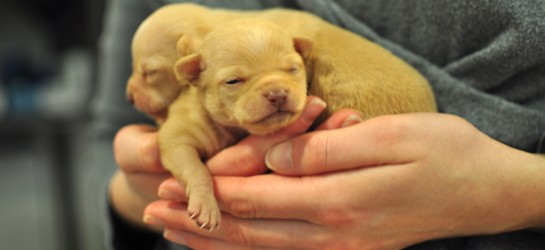
New born dog so lovely
Best dog's photo collection
I very love the dog, and i always collection so much phốt about it! this a Best dog's photo collection of me, well come to view!

Black dog and the tennis ball

yeallow puppy picture so likely
How to Choose a Puppy
The dog has always been called the man's best friend. The two have lived and worked together for thousands of years. In lots of ways, dogs are like people-they enjoy company, they can communicate how they feel and they love to play too. So it's no wonder that you would want to adopt a puppy! A puppy can be lots of fun, but caring for one means taking responsibility. you will have to look after this animal for a long time - it cannot take care of itself. Remember, puppies grow into dogs and some dogs live to 15 years or over. There are several questions you need to ponder on before even getting one!
1 Make sure that your home fits the dog's personality. Do you have enough space in your house? A big, loud dog in a small house could drive everyone crazy. Do you have a backyard? Puppies have lots of energy, and they need space to exercise. Having a backyard also allows you to train your puppy to urinate outside.

2 Ensure that you have enough resources. Do you have time to care for your puppy? A new puppy needs lots of care and training for the first few months of it's life. It will always need at least one good walk every day. Do you have a stable financial status? Know that keeping a dog is not cheap, equipment, food and vets fees can cost a lot.
Top 10 of the Strangest Looking Dogs!
They say “beauty is in the eye of the beholder” – this phrase certainly comes into play in the world of canines. While I can truly appreciate almost any type of dog if they have a great personality or a charming puppy grin, well….some of them are just funny looking! (Luckily dog’s don’t really mind if you laugh in their general direction, as long as you have a good treat to make up for it). Actually many of the dogs on this list are rather unique in their appearance, which causes quite a few of of us to do double takes when we encounter one on the street (if you ever happen to!).
Bedlington Terrier: Is that a dog or a lamb? Bedlington Terriers have to be one of the strangest dogs I have ever seen. With their pear shaped heads, curly sheep-like fur and triangular ears, these dogs truly look like no other breed out there! While the Bedlington may look like a timid little sheep, in the early days this breed was often used for fighting. While the Bedlington’s of today have been bred to be sweet companions, they can still hold their own if they are challenged.


Chinese Crested: Hairless breeds always draw a crowd. Most people *do* believe dogs should have fur! The little Chinese Crested has fur on its paws (socks), its tail (plume) and a long flowing mop on its head (the crest). Their skin is soft and needs to be carefully cared for. Sunscreen must be used to make sure the dog doesn’t burn and they should be bathed regularly to prevent acne and other skin issues (and moisturised to control dry skin!). Some Crested owners bring their dogs in the shower with them to maintain this routine. A Chinese Crested named “Sam” was voted the “World’s Ugliest Dog” three years in a row! When he passed away at age 14, the contest judges decided that Sam was indeed “The Ugliest Dog Ever”.


Neapolitan Mastiff: This giant Molosser breed looks something like a mini-Rhino! The Neapolitan Mastiff stands out as “strange” due to all that loose skin! They have wrinkles all over their bodies, most prominently on the face and head. All those wrinkles need some extra TLC – the folds must be cleaned and kept dry as acne and infections are a concern if they are moist. The canine actor who played “Fang” in the Harry Potter movies was a Neapolitan Mastiff.


Puli: The Puli is one of the 3 “dread locked” breeds on this list! The “dreads” are actually known as “cords” and naturally begin to form when puppies are about 9 months old. Owners have to help this process by separating the cords as they can form very large matts if they are not maintained. Bathing one of these dogs is a lengthy process, as they take hours to dry!


Komondor: Komondors resemble Pulik (the plural of Puli), as they both have corded coats. However the Komondor is quite a bit larger than the Puli and seems to resemble a large mop (the breed is always white). Actually the coat color much resembles a used mop as the cords are often a bit “off white” from dust and dirt. Komondors were bred to guard livestock and their thick coats protected them from the elements as well as predators. The Komondor needs a great deal of intense grooming.


Peruvian Inca Orchid: Another hairless breed, these little dogs have even less hair than the Chinese Crested! This ancient breed appears in art dating back to 750 A.D. However when Peru was conquered by the Spanish, it almost led to the loss of these unique dogs. While these dogs occasionally have a bit of hair on their feet, tails and heads – breeders strive for a completely hairless dog. Grooming requires moisturizing with lotion to prevent skin drying. Peruvian Inca Orchids can be prone to acne and blackheads and obviously need to be kept warm in the colder weather!


Shar Pei: No one can confuse a Shar Pei with any other breed. This heavily wrinkled dog also has an unusual “hippopotamus” shaped muzzle. I have seen dogs of various breeds react in a confused manner towards Shar Pei. I’m guessing they didn’t recognize them as one of their own kind! As puppies the wrinkles are everywhere! As the dog grows the wrinkles often become less evident and are limited to the head and back. Shar Pei should always have a solid bluish-black tongue; spotted tongues are considered a fault and a pink tongue is a disqualification!


Xoloitzcuntle: The last of the hairless dogs on our list- these guys have quite the name! Pronounced “show-low-its-queen-tlee”, you can also call a Xoloitzcuntle a Mexican Hairless or even a “Xolo” for short. These little dogs look almost exactly like the Peruvian Inca Orchid, but their roots are not the same. Xolo’s were considered sacred by the Aztecs as they were believed to help guide individuals through the underworld after their death. Like the other hairless breeds, Xolos require bathing, moisturizing, sunscreen and coats to keep these little baldies happy and healthy!


Bergamasco: Another “moppish” looking breed, the Bergamasco’s coat is actually considered “felted” and not “corded”. The matts are made up of the 3 types of hair that the dog grows and begin to form in late puppyhood. Due to their dark color, they often appear quite shabby. The Bergamasco is from Persia and like the Komondor, served as a sheepdog and livestock guardian. While some owners may be tempted to shave these heavily coated dogs, breeders absolutely frown on this, saying the dogs coat will never be the same.


There you have it! A list of 10 of the strangest looking breeds out there! Don’t be offended if you are the owner of one of these fantastic dogs – you are one of the few who get to experience their unique personalities (as well as looks!). Wrinkled, hairless or heavily matted – these are dogs who draw a crowd wherever they go!
Bedlington Terrier: Is that a dog or a lamb? Bedlington Terriers have to be one of the strangest dogs I have ever seen. With their pear shaped heads, curly sheep-like fur and triangular ears, these dogs truly look like no other breed out there! While the Bedlington may look like a timid little sheep, in the early days this breed was often used for fighting. While the Bedlington’s of today have been bred to be sweet companions, they can still hold their own if they are challenged.
Chinese Crested: Hairless breeds always draw a crowd. Most people *do* believe dogs should have fur! The little Chinese Crested has fur on its paws (socks), its tail (plume) and a long flowing mop on its head (the crest). Their skin is soft and needs to be carefully cared for. Sunscreen must be used to make sure the dog doesn’t burn and they should be bathed regularly to prevent acne and other skin issues (and moisturised to control dry skin!). Some Crested owners bring their dogs in the shower with them to maintain this routine. A Chinese Crested named “Sam” was voted the “World’s Ugliest Dog” three years in a row! When he passed away at age 14, the contest judges decided that Sam was indeed “The Ugliest Dog Ever”.
Neapolitan Mastiff: This giant Molosser breed looks something like a mini-Rhino! The Neapolitan Mastiff stands out as “strange” due to all that loose skin! They have wrinkles all over their bodies, most prominently on the face and head. All those wrinkles need some extra TLC – the folds must be cleaned and kept dry as acne and infections are a concern if they are moist. The canine actor who played “Fang” in the Harry Potter movies was a Neapolitan Mastiff.
Puli: The Puli is one of the 3 “dread locked” breeds on this list! The “dreads” are actually known as “cords” and naturally begin to form when puppies are about 9 months old. Owners have to help this process by separating the cords as they can form very large matts if they are not maintained. Bathing one of these dogs is a lengthy process, as they take hours to dry!
Komondor: Komondors resemble Pulik (the plural of Puli), as they both have corded coats. However the Komondor is quite a bit larger than the Puli and seems to resemble a large mop (the breed is always white). Actually the coat color much resembles a used mop as the cords are often a bit “off white” from dust and dirt. Komondors were bred to guard livestock and their thick coats protected them from the elements as well as predators. The Komondor needs a great deal of intense grooming.
Peruvian Inca Orchid: Another hairless breed, these little dogs have even less hair than the Chinese Crested! This ancient breed appears in art dating back to 750 A.D. However when Peru was conquered by the Spanish, it almost led to the loss of these unique dogs. While these dogs occasionally have a bit of hair on their feet, tails and heads – breeders strive for a completely hairless dog. Grooming requires moisturizing with lotion to prevent skin drying. Peruvian Inca Orchids can be prone to acne and blackheads and obviously need to be kept warm in the colder weather!
Shar Pei: No one can confuse a Shar Pei with any other breed. This heavily wrinkled dog also has an unusual “hippopotamus” shaped muzzle. I have seen dogs of various breeds react in a confused manner towards Shar Pei. I’m guessing they didn’t recognize them as one of their own kind! As puppies the wrinkles are everywhere! As the dog grows the wrinkles often become less evident and are limited to the head and back. Shar Pei should always have a solid bluish-black tongue; spotted tongues are considered a fault and a pink tongue is a disqualification!
Xoloitzcuntle: The last of the hairless dogs on our list- these guys have quite the name! Pronounced “show-low-its-queen-tlee”, you can also call a Xoloitzcuntle a Mexican Hairless or even a “Xolo” for short. These little dogs look almost exactly like the Peruvian Inca Orchid, but their roots are not the same. Xolo’s were considered sacred by the Aztecs as they were believed to help guide individuals through the underworld after their death. Like the other hairless breeds, Xolos require bathing, moisturizing, sunscreen and coats to keep these little baldies happy and healthy!
Bergamasco: Another “moppish” looking breed, the Bergamasco’s coat is actually considered “felted” and not “corded”. The matts are made up of the 3 types of hair that the dog grows and begin to form in late puppyhood. Due to their dark color, they often appear quite shabby. The Bergamasco is from Persia and like the Komondor, served as a sheepdog and livestock guardian. While some owners may be tempted to shave these heavily coated dogs, breeders absolutely frown on this, saying the dogs coat will never be the same.
There you have it! A list of 10 of the strangest looking breeds out there! Don’t be offended if you are the owner of one of these fantastic dogs – you are one of the few who get to experience their unique personalities (as well as looks!). Wrinkled, hairless or heavily matted – these are dogs who draw a crowd wherever they go!
Dogs Don't like Hugs and Kisses
This is one of Doggone Safe's major messages and probably the one that gives us the most trouble. Many people simply don't believe this and are determined to argue about it.
Some dogs are very tolerant and will allow hugging and kissing, some try to get away, some lick the face of the hugger until they let go and some resort to biting. Some rare dogs do enjoy hugs from a person that they love, who scratches their chest while hugging and who doles out hugs on the dog's terms. There are few if any dogs who enjoy hugs the way kids do it, which is to clasp the dog around the neck and hang on. This is very threatening to a dog. The fact that the dog is uncomfortable or even feeling a threat and the proximity of the child's face to the dog's teeth makes this potentially very dangerous. This is why we recommend that parents teach children to show affection to the dog in ways that do not involve hugs and kisses.
In a study that looked at the reasons for dog bites to children the following was found:
Some dogs are very tolerant and will allow hugging and kissing, some try to get away, some lick the face of the hugger until they let go and some resort to biting. Some rare dogs do enjoy hugs from a person that they love, who scratches their chest while hugging and who doles out hugs on the dog's terms. There are few if any dogs who enjoy hugs the way kids do it, which is to clasp the dog around the neck and hang on. This is very threatening to a dog. The fact that the dog is uncomfortable or even feeling a threat and the proximity of the child's face to the dog's teeth makes this potentially very dangerous. This is why we recommend that parents teach children to show affection to the dog in ways that do not involve hugs and kisses.
In a study that looked at the reasons for dog bites to children the following was found:
Dogs Understand Intimacy
Children and the elderly are the two populations most likely to be seriously injured by dog bites. Children are frequent victims because they lack both impulse control and dog savvy. Since much of my business is family dog training, a large part of my responsibility as a dog behavior professional is to teach parents how they can help their children live safely with dogs and teach children appropriate dog skills. I also try to teach people about how to understand their dogs, what dogs like, what they don't like, and how they use body language to communicate these feelings and preferences with us.
Hugs are a frequent cause of dog bites to children - most dogs don't like hugging. Dogs just aren't a "hugging" species; they don't crave ventral contact like we primates do. When I tell this to my clients, they often respond with expressions of disbelief, and occasionally, indignance. "But my dog loves being hugged!" Frequently, when we watch the dog, his body language tells a different story - we see body language which includes "whale eye" (seeing much of the whites of the dog's eyes), looking away, lip licking, yawning, pulling away from the handler. If a dog decides he doesn't like being hugged, his teeth are at face level; this is why many bites to children involve facial disfigurement.

1/11/13
Why do dogs shake their legs?

The scratch reflex does have one purpose -- it's reliable enough that veterinarians sometimes use it to assist in diagnosing nerve damage or neurological problems. And while we've called it an irritant, you're not really irritating your dog at all. Most dogs like a scratch on their bellies, so just move to another spot. If he really doesn't like it, he'll just let you know by moving away. Think of it as similar to our knee-jerk reflex, when the doctor taps your knee and your leg kicks out. Or when you scratch a cat at the base of his tail and his rear end rises up. It's just one of those quirks of animal anatomy.
Not all Dogs Like Being Petted
Sounds crazy doesn’t it?
When we think of dogs we think of getting lost in their luxurious fur.
Just petting them lowers our blood pressure and can take stress right out of our lives.
Thankfully most dogs like being petted, but not all dogs do. Even dogs that were taken home as pups and loved and coddled may not like being petted and touched affectionately.
Some dogs are just not overly affectionate; it is part of who they are as individuals.
These dogs usually are the dogs that would rather play ball or train or interact in games with you than snuggle in your blanket with you.
They are the ones that are happy laying on their own beds on the floor and don’t generally come to you for affection; they get interaction from you in other ways.
Or these are the dogs that demand affection and “worship” from you but only on their own schedule. They may nuzzle you for affection one minute; and then threaten you for petting them the next.

When we think of dogs we think of getting lost in their luxurious fur.
Just petting them lowers our blood pressure and can take stress right out of our lives.
Thankfully most dogs like being petted, but not all dogs do. Even dogs that were taken home as pups and loved and coddled may not like being petted and touched affectionately.
Some dogs are just not overly affectionate; it is part of who they are as individuals.
These dogs usually are the dogs that would rather play ball or train or interact in games with you than snuggle in your blanket with you.
They are the ones that are happy laying on their own beds on the floor and don’t generally come to you for affection; they get interaction from you in other ways.
Or these are the dogs that demand affection and “worship” from you but only on their own schedule. They may nuzzle you for affection one minute; and then threaten you for petting them the next.
This Dog has Soft Squinty Eyes
Genetics vs. a Learned Behavior
Some puppies are born like this; they are just more independe
Do Our Pets Really Love Us?
In the English language, we have just one wordto describe the different types of love. Theancient Greeks were a bit smarter in this respect;they used different words to describe the love fora spouse, a sibling, a parent or a friend.
You have to wonder which word they used todescribe the love between pets and people. Weknow how we feel towards our pets, but do theyexperience the same emotions toward us? Or isthe bond simply a mixture of instinct, dependence and social role?
In short, do our pets really "love" us, as we understand it? In a word,
the answer is yes, according to clinical evidence. Food does play alarge role in feelings of affection between pet and owner. But dog doesnot live by biscuit alone – and neither does a cat's affection dependsolely on treats. The mere presence and/or touch of a preferred personhas been shown to reduce the heart rate of these animals – a sign ofbonding. (The same is true with horses.)

How do dogs perceive time?
Most dogs are never late for a meal -- they know exactly where to be at the same time every day. They also know when to expect their owner home and, like clockwork, place themselves patiently at the door for that arrival. When you witness this behavior, you assume dogs have a sophisticated understanding of time. But what is time really like for a dog?
They say a human year is equivalent to about seven dog years. But what does this common theory tell us about a dog's perception of time? Actually, very little. The idea of "dog years" comes from the life expectancy of dogs compared to humans. So it wouldn't be correct to apply this idea to the concept of time perception.
To understand how dogs perceive time, we first need to understand how humans perceive time. Arguably, each person experiences the passing of time in different ways at different times. Albert Einstein once explained the principle of relativity by saying, "When a man sits with a pretty girl for an hour, it seems like a minute. But let him sit on a hot stove for a minute -- and it's longer than any hour. That's relativity"
Even though the experience of time is relative for every individual, all humans think about time in similar ways. For instance, our memories are inextricably tied to how we understand the passing of time. Our ability to remember events in a particular order plays a large part in our perception of time. We're also able to predict things. Though we don't all claim to be psychic, each of us counts on certain events in the future -- even as simple as assuming that the sun will come up tomorrow. These abilities have important implications -- for instance, memory and prediction allow us to have a sense of continuity, personal history and self-awareness.
Do Dogs Feel Love?
Scientists avoid the subject because part of what sets humans apart from the animals is our ability to experience feelings. To say that animals actually have feelings, in the same way we do, would change everything – perhaps disrupt our entire position and standing in the animal kingdom.
However, any dog owner knows that dogs love completely and have a greater capacity for love than most people. If one were to describe the main characteristics of a dog, they would have to be:
- strong affection
- warm attachment
- unselfish loyalty and benevolent concern for others

Wait a minute – those are the Merriam-Webster Dictionary definitions of love. Probably why the author of Dogs Never Lie About Love, Jeffrey Moussaieff Masson writes, “dogs are love.” So there isn’t a question of whether dogs love, the mystery is how they have such an enormous capacity for it. Dogs who are neglected or abused still show love for their human and wag their tails in hope of a little affection.
Dogs taken from abusive situations hold no grudges toward the human race. A half an ounce of kindness from a new person results in an abundance of affection from the formerly mistreated dog. Humans rarely have the capacity to so completely forgive and love under those circumstances.
Dogs Give Unconditional Love
Dogs taken from abusive situations hold no grudges toward the human race. A half an ounce of kindness from a new person results in an abundance of affection from the formerly mistreated dog. Humans rarely have the capacity to so completely forgive and love under those circumstances.
Why Do Dogs Like to Lean on Us?
One of my dogs, Max, is a big guy. When we're outside in the dog pen, he likes to come over and sit beside me. However, he doesn't just sit, he leans and if I'm standing up and not paying attention, he knocks me sideways because his lean is more of a flop against my legs. All of my dogs like to lean on me at times, but why do they snuggle up next to our legs or beside us on the couch?
Kelly, the matriarch of my dog family, will either sit beside me on the couch or climb onto my lap and lean against me. Then she lays her head on my arm or chest and melts my heart with her eyes as she gazes into mine. Some of the time, I know she's trying to butter me up for some CANIDAE Tidnips treats, but usually it's because she likes to cuddle whenever she gets the chance. Keikei and Riley are fond of sitting on my feet when I'm standing or sitting, which keeps my feet warm on a cold night.

Cuddling is one reason dogs lean against us, but think about how dogs, especially small dogs, see our world. It can be a pretty intimidating place for some canines. A dog that feels unsure of himself or is shy will press up next to your legs for security. A scared dog may move behind you and seek comfort knowing you are there to protect him. It's his way of saying you make him feel safe.
16 Common Dog Myths
Not sure what to believe when it comes to the health of your dog? Well, look no further! Petplace.com helps to put a muzzle on the myth.
1. Dogs should have a litter before they are spayed.
This is not true. Dogs that have a litter before they are spayed are not better for it in any way. In fact, spayed dogs are at lower risk for breast cancer and uterine infections.
2. Dogs are sick when their noses are warm.
The temperature of a dogs nose does not indicate health or illness or if they have a fever. There is an "old wives tale" that cold wet noses indicate health. And Warm or dry noses indicate a fever or illness. The only accurate method to access a dog's temperature is to take it with a thermometer. Normal dog temperature is 100.5 to 102.5 degrees F.
3. Mutts are always healthier than purebred dogs.
This is not true. Both mutts and purebred dogs can be unhealthy. Both can have diseases, however, mutts generally do not have many of the genetic diseases common in purebred lines.
4. All dogs like to be petted on their heads.
Some dogs do like to be petted on their heads but many do NOT.
Teaching Your Dog To Like The Water
Not all breeds of dogs like the water, and even some of the breeds that are supposed to be "water dogs" don't seem to enjoy getting wet at all. There are also dogs from specific breeds that don't typically go near the water that just can't wait to head out to lake for some fun in the sun. A great deal of how much or how little your dog enjoys being in the water does depend on their breed tendencies and traits, but how they experience being in the water the first few times can also make a big difference in their attitude towards swimming and playing in water.
Breeds That Are Naturals
If you are a person that wants his or her dog to be a water loving animal, it is highly recommended that you stick to breeds where this is a characteristic. Not surprisingly all of the retrievers including the Lab, Chesapeake Bay, Curly and Flat Coated, Nova Scotia Duck Tolling and the Golden Retrievers are all typically fond of swimming and being in the water. Many of the spaniels, including the Cocker Spaniel, are also great water dogs and enjoy playing in and around water. Setters such as the Irish, Red and White and the Gordon generally enjoy getting in the water.
13 Dog Breeds That Love The Water
When you think of breeds that love the water you might typically picture a Lab or a Golden Retriever. They are the most popular of the breeds on our list that have extreme aquatic tendencies! Many kinds of dogs love to swim, but I've compiled a list of some of the top canine splashers! If you have an active outdoorsy lifestyle, one of these breeds may be perfect for you and your family.
Schipperke
The Schipperke (pronounced skipper-kee) is a small (ranging from 7-20 lbs) Belgian breed that is always ready to go! They are incredibly smart and are known for their keen ability to pick up obedience commands quickly. They are independent and can be stubborn, so consistent training is a must. Members of this breed are commonly known as "Belgian barge dogs", as they were used for security and to keep the boats free of small pests. These little dogs are very comfortable on the water and they love to swim!
Labrador Retriever
Considered the most popular dog (by registration) in the world today, the Labrador Retriever is known to be an excellent family companion. Due to over breeding, there are many of these wonderful dogs in rescues today. If you are seeking to purchase a puppy, make sure you do so from a reputable source. Labs have a long puppy hood and are often clumsy until they mature (around 3 years of age). These dogs were bred for hunting Waterfowl, thus stems their love of swimming! Their thick coats are somewhat water-repellant.
1/10/13
Running like a dog meaning
: Re the phrase - "my computer is 'running like a dog'". I understand this to mean that my computer is running very slowly. Anything that is 'running like a dog' means it is slow. But to 'run like a dog' infers to run fast. Where did the phrase 'running like a dog' come from, as it appears illogical? Dogs run very fast :)
Here's one possible origin. I searched "horsing racing" and "running like a dog" and found this: To be successful in keeping the horse off the inside leg, to stop it dropping the shoulder, bulging the rear end into the circle and flying above the bit is to fix the canter. For the horse to experience a comfortable canter, rather than running like a dog, is to put belief into the mind and therefore eliminate the tension.
Here's one possible origin. I searched "horsing racing" and "running like a dog" and found this: To be successful in keeping the horse off the inside leg, to stop it dropping the shoulder, bulging the rear end into the circle and flying above the bit is to fix the canter. For the horse to experience a comfortable canter, rather than running like a dog, is to put belief into the mind and therefore eliminate the tension.
What Do Hook Worms in Dog Look Like?
Hookworms are one of the most common infestations in dogs. The worm is resilient, living in an environment for weeks without food, and can pass quickly into a dog's bloodstream unnoticed. They are especially dangerous to puppies and can lead to anemia, and death.
Naked Eye
Hookworms are too small to be seen with the naked eye. Looking for the worm itself on your dog is not an accurate way of diagnosing hookworms. A vet can visually verify a case of hookworms by microscopically analyzing a dog's stool.
Recognizing the Emotions of Dogs
Few who have lived with dogs would deny that dogs have feelings. Taking a cue from his great friend Darwin, who spoke of conscience in the dog, George Romanes wrote that "the emotional life of the dog is highly developed--more highly, indeed, than that of any other animal." (He did not include the human animal, though perhaps he should have done so.) Of course dogs have feelings, and we have no trouble acknowledging most of them. Joy, for example. Can anything be as joyous as a dog? Bounding ahead, crashing into the bushes while out on a walk, happy, happy, happy. Conversely, can anything be as disappointed as a dog when you say, "No, we are not going for a walk"? Down he flops onto the floor, his ears fall, he looks up, showing the whites of his eyes, with a look of utter dejection. Pure joy, pure disappointment.
But are this joy and disappointment identical to what humans mean when we use these words? What dogs do, the way they behave, even the sounds they make, seem instantaneously translatable into human emotional terms. When a dog is rolling in fresh-cut grass, the pleasure on her face is unmistakable. No one could be wrong in saying that what she is feeling is akin to what any of us (though less often, perhaps) may feel. The words used to describe the emotion may be wrong, our vocabulary imprecise, the analogy imperfect, but there is also some deep similarity that escapes nobody. My dog may appear to feel joy and sorrow much the way I do, and the appearance here is critical: We often have no more to go on when it comes to our fellow humans.
classic Photos of Dogs Manipulated to Look Like People
Swiss commercial photographer and graphic designer Sebastian Magnani came up with the idea for his hilarious Underdogs series back in 2009 because he wanted to have a photo of his girlfriend and his beloved dog. But instead of shooting a portrait of them hanging out together or placing pictures of them side-by-side in a frame, he decided to manipulate photos of both, taken in the basement of his mother’s home, into a single, merged image. The results are just as weird as you might imagine (we’re kind of curious what she thinks of the concept!), but they’re also incredibly clever and guaranteed to put a smile on your face. Click through to check out the initial photo manipulation, as well as some more recent additions to the on-going series, and brace yourselves: apparently he plans to try this with cats and other animals next.

Wolf Hybrid
As of about 1990 the correct term for a mix of a wolf and a domestic dog is a wolfdog. The dog was reclassified as a sub-species of wolf (canis lupus familiaris) and as such, it is impossible to have a hybrid as they are two of the same species. Although technically incorrect, the term "hybrid" is still used by many, particularly when it comes to mixing two purebred domestic dogs.
It was brought to our attention by some wolfdog fanciers that there are many animals out there which are claimed to bewolfdogs but are actually nordic type dog mixes. Apparently some are pictured inside this section. We made the decision to keep this wolf hybrid section as a comparison with the dogs who have been proven to be true wolfdogs. You can see some examples at Non-Wolfdogs: Mistaken Identity.

The Dog Breed Info Center(R) is not claiming the dogs in this section are not true wolfdogs. We would like you to do your own comparison between the two, this wolf hybrid section and our proven wolfdog section. There are many dogs in shelters that are killed because they look like a wolf when they are actually an nortic type dog, such as a husky or malamute mix. Animals that are falsely labelled as wolfdogs in shelters can be detrimental. Nortic dogs are being killed and wolfdogs are not going to the proper rescues where there are people who know how to deal with them.